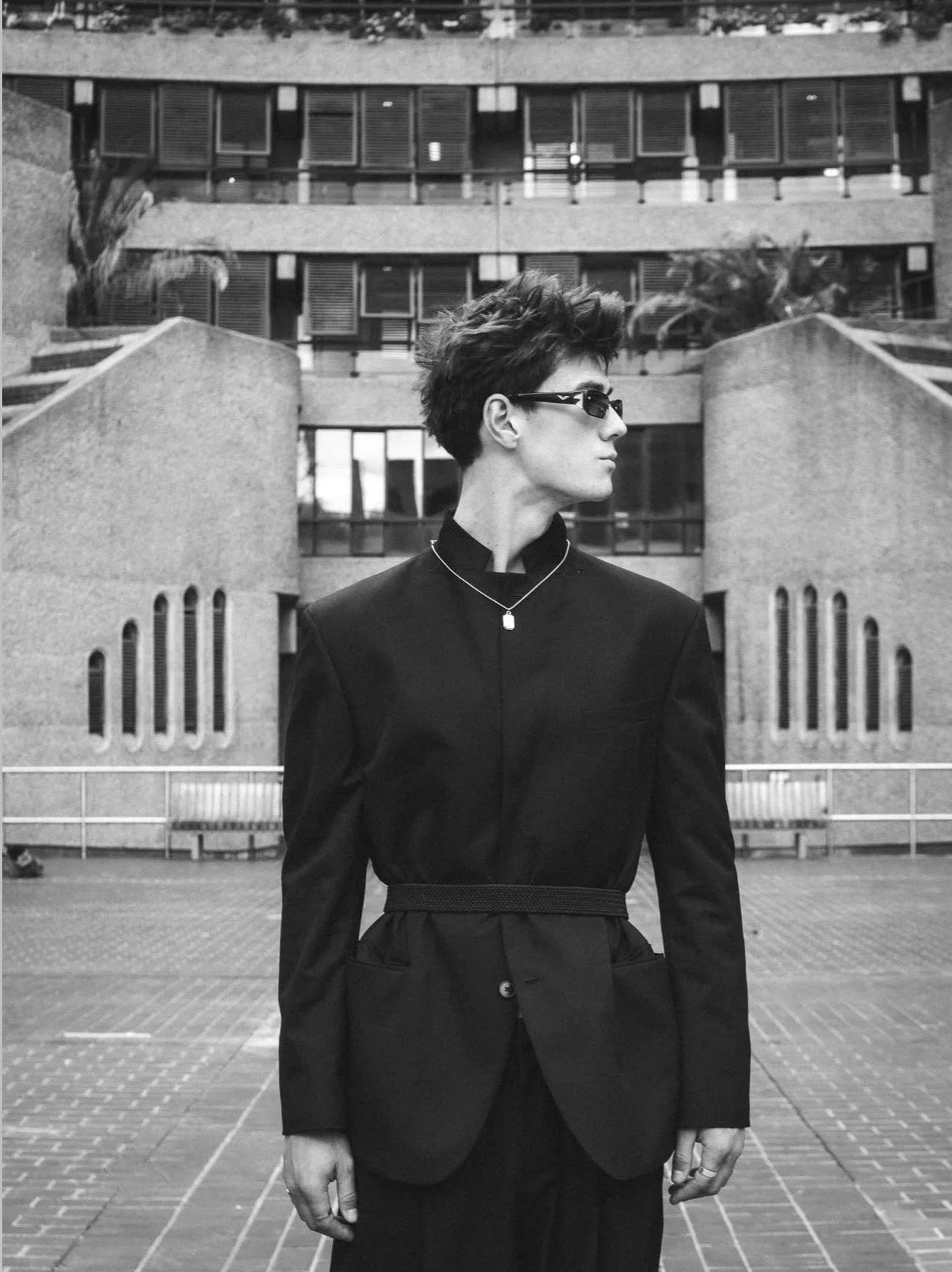
Although modelling may seem like a glamorous profession associated with elegance, luxury brands, extravagant outfits and spectacular fashion shows, not everything is as beautiful as it appears at first glance. Many people might assume that models are financially well-off, surrounded by luxury and able to afford the expensive clothes they wear on the runway. I spoke to Ethan Jiro, a freelance model and he said “There is such a stigma nowadays that if you’re a model, you earn loads of money, but that is very naive and uneducated ideology on the actual matter”
However, the reality is often very different. Many models could never afford the beautiful designer pieces they showcase during fashion shows. The modelling industry can be extremely harsh and highly competitive, and the truth is that for many models, making a sustainable living from this career is far from easy.
According to the U.S. Bureau of Labor Statistics, the median hourly wage for models was $23.30 in May 2025 (compared to the average hourly earnings of American employees $36.85).
However, this figure should be interpreted carefully, as it does not mean that models earn this amount consistently throughout the year. Many models work on a freelance or part-time basis, meaning their income depends on the number of bookings they receive successful campaign might bring in a relatively high payment, but it does not guarantee another job for the following week or month. “When I first started modelling, I tried doing lots of work on the side. So then if I wanted to do any shoots, I’d have that money there to kind of help me travel or do what I need to do to achieve my goals.” Ethan Jiro
A survey conducted by Model Alliance in collaboration with researchers from Cornell University's Worker Institute collected responses from more than 200 models. They revealed that 20% of respondents can’t afford to pay for their basic needs. 51% said they would struggle to afford essential living expenses, 55% of models reported being owed money by clients, while 49% were waiting for payments from their agencies.
Work can come unexpectedly, and models are often expected to be available at short notice for castings, photo shoots or fashion shows. However, attending a casting does not guarantee that a model will be selected or paid for their time. This means that models can spend considerable time travelling, preparing and attending auditions without receiving any financial reward. As a result, many need to combine modelling with another job to support themselves ‘this one time I had to travel from Kent to Manchester, and I had to stay there for an extra day to do some extra editorial shoots. I didn’t get compensated for that last day, so I paid for the hotel out of my own pocket’. said Ethan Jiro
In the UK, GOV UK confirms that modelling agencies are allowed to charge commission from a model's earnings, provided the relevant fees are explained in writing. Research published by the British performers' union Equity also highlights how significant these deductions can be.