House plants … “man’s” NEW best friend?
Everyone used to say that dogs were “man’s” best friend… but with restrictions on pets at University, house plants and spiky succulents seem to be taking the place of our beloved furry friends.
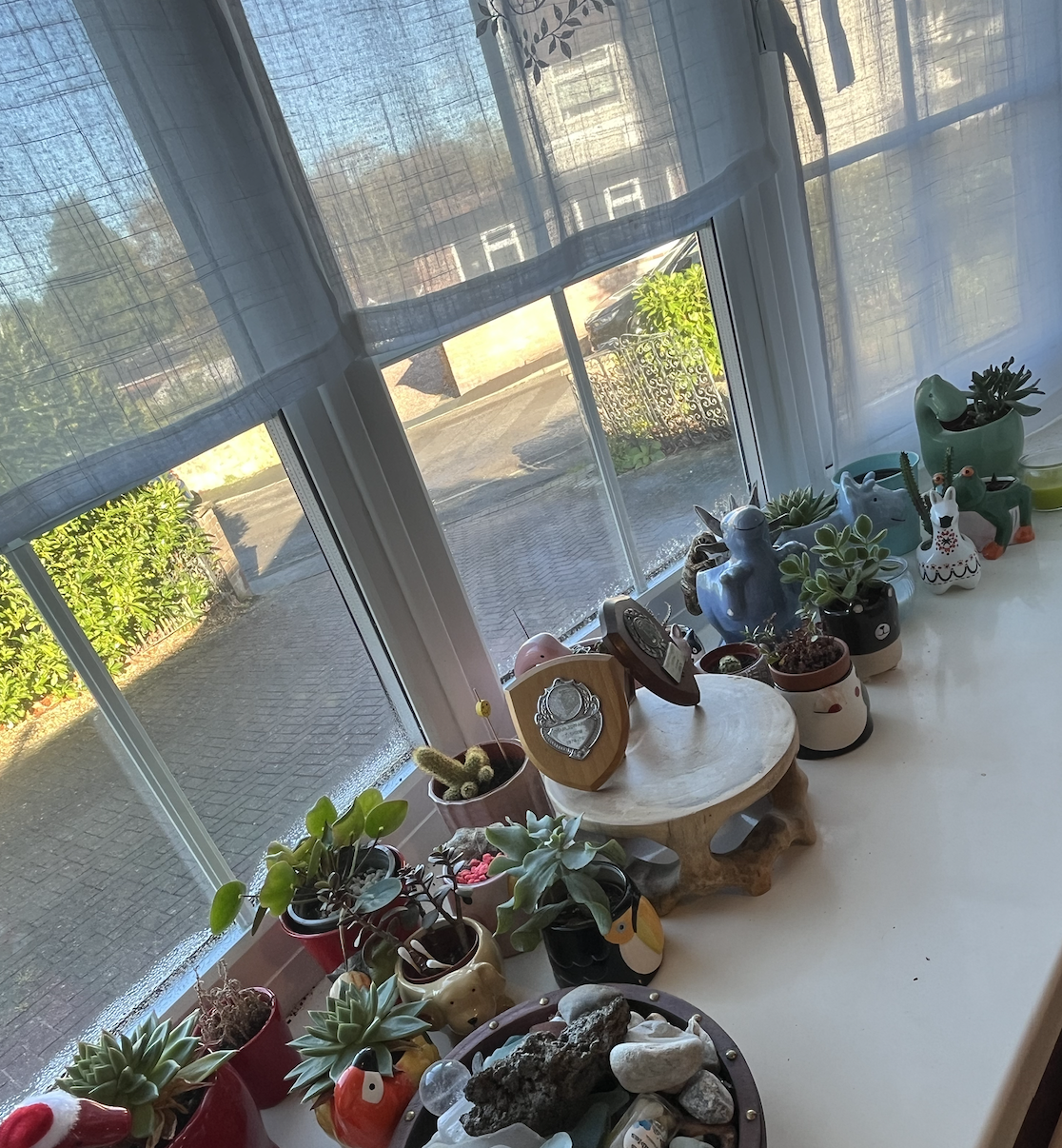
As students leave the comfort of their home, it is only natural to look for familiarity in the things around us. Conveniently, the tradition of buying a housewarming plant has slotted in with this phenomenon and now the wave of first-time plant owners has formed for this academic year.
Plants have become a heavily relied on product for multiple functions. Not only are they good for your health but they have become symbols of condolences, yet on the contrary a symbol of care, love and congrats.
So just HOW important are they to our lives?
I took my research to social media. There are many academic sources supporting my enquiry such as “The Effect of Indoor Plants on Human Functions” by Ke-Tsung Han which you can find here: https://pmc.ncbi.nlm.nih.gov/articles/PMC9224521/ .
I also sourced information from platforms like TikTok. For example https://www.tiktok.com/@debssbed/video/7483839218309942550?is_from_webapp=1&sender_device=pc&web_id=7438998817557890592 this TikTok about University’s promoting a relationship between students and plants.
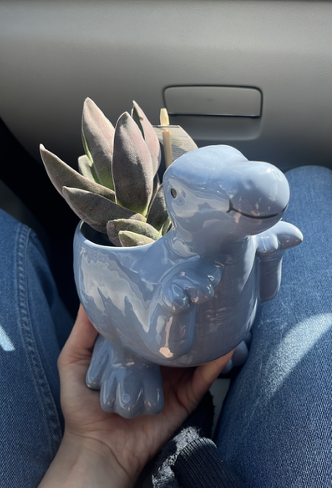
When delving into the health benefits I posed the question “Have houseplants ever helped you mentally or physically?” to Coventry university students. They responded with:
I took my research a step further by interviewing students around the campus of Coventry University, responses included: “they used to help when they were alive but it’s not the same now they’ve died”, “it brings the room to life and makes it feel like home”, “they’re good for having a structured schedule”, “it improves my health by just seeing them”, “I feel like they have added calmness to my room, when I see them it makes me feel grounded”, “They were a gift from a family member”, “It was a gift from someone I care about and I liked the Llama Pot”.
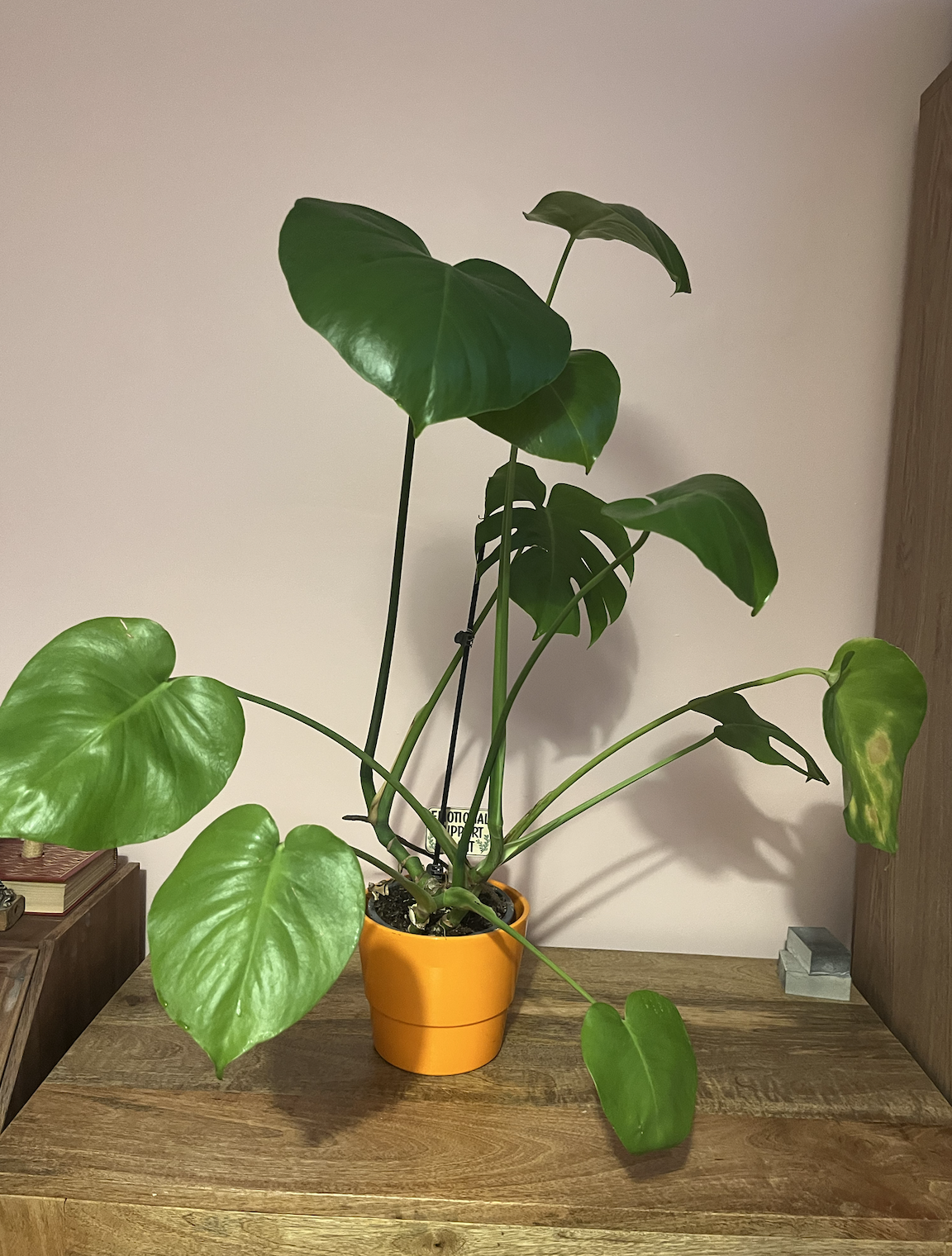
In conclusion interviews were vastly positive and weighed on the idea that plants can aid the mental health of students. The qualitative response helps envision the bigger population and trends for the whole university and possibly an insight into the general public.
Flowers have also been symbols of communication for as long as we can remember. From the colour of a rose to the different type of plant and EVEN to the plant being sent at a particular time. For example, traditionally, red roses being identifiable as passion or love or the importance of colour symbolism for Asian culture in relation to loss and grief.
In relation to occasions flowers can be used in funerals, weddings, birthdays, Mother’s days and Father’s days, get well soon gifts, Remembrance Day Poppy’s, Valentine’s Day and date gifts.
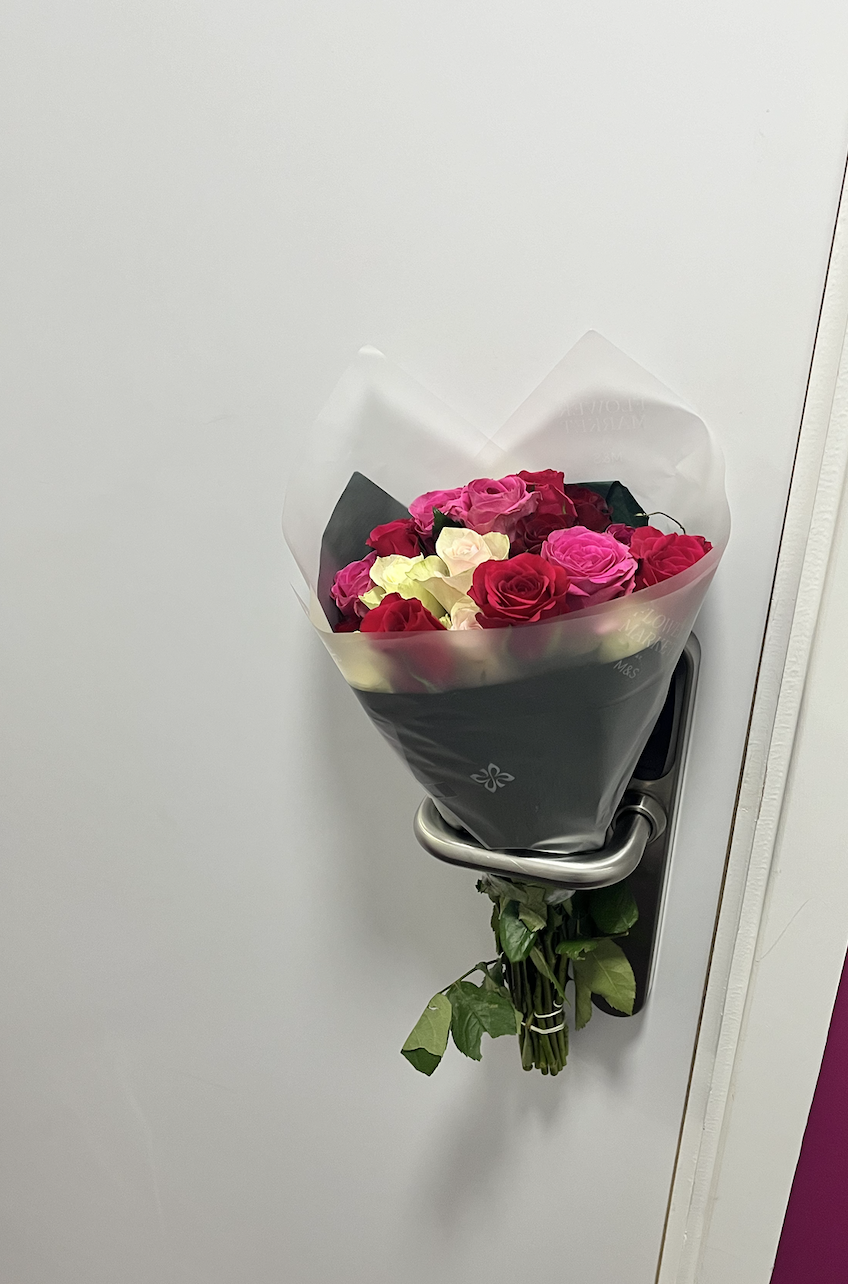
One particular student told me about how he shows affection to his partner through flowers, “when I do, she is happier, so I am happier”. He talked about using them as gifts because they “show how much you care on special occasions. My partner loves plants and cacti, she thinks they’re really cute and enjoys seeing them grow and nurturing them.” He also went on to say, “I think she likes taking care of them because they’re from moments in our relationship and it reminds her when she waters them.”
It is clear that flowers and plants have significant meaning far deeper than just aesthetic. It is a mental health boost, a routine maker and also a communication method in relationships.