This month, beauty social media erupted. Global cosmetics giant Huda Beauty had discontinued and reformulated its popular ‘Coffee Cake’ setting powder, leading beauty creator Golloria George to respond, publicly calling the brand out. She commented on a recurring pattern in the industry - products formulated for deeper skin tones are expendable once priorities shift commercially. Around the same time, UK independent platform Black Ballad also published reports highlighting persistent shade gaps - particularly in foundation - on British high streets.
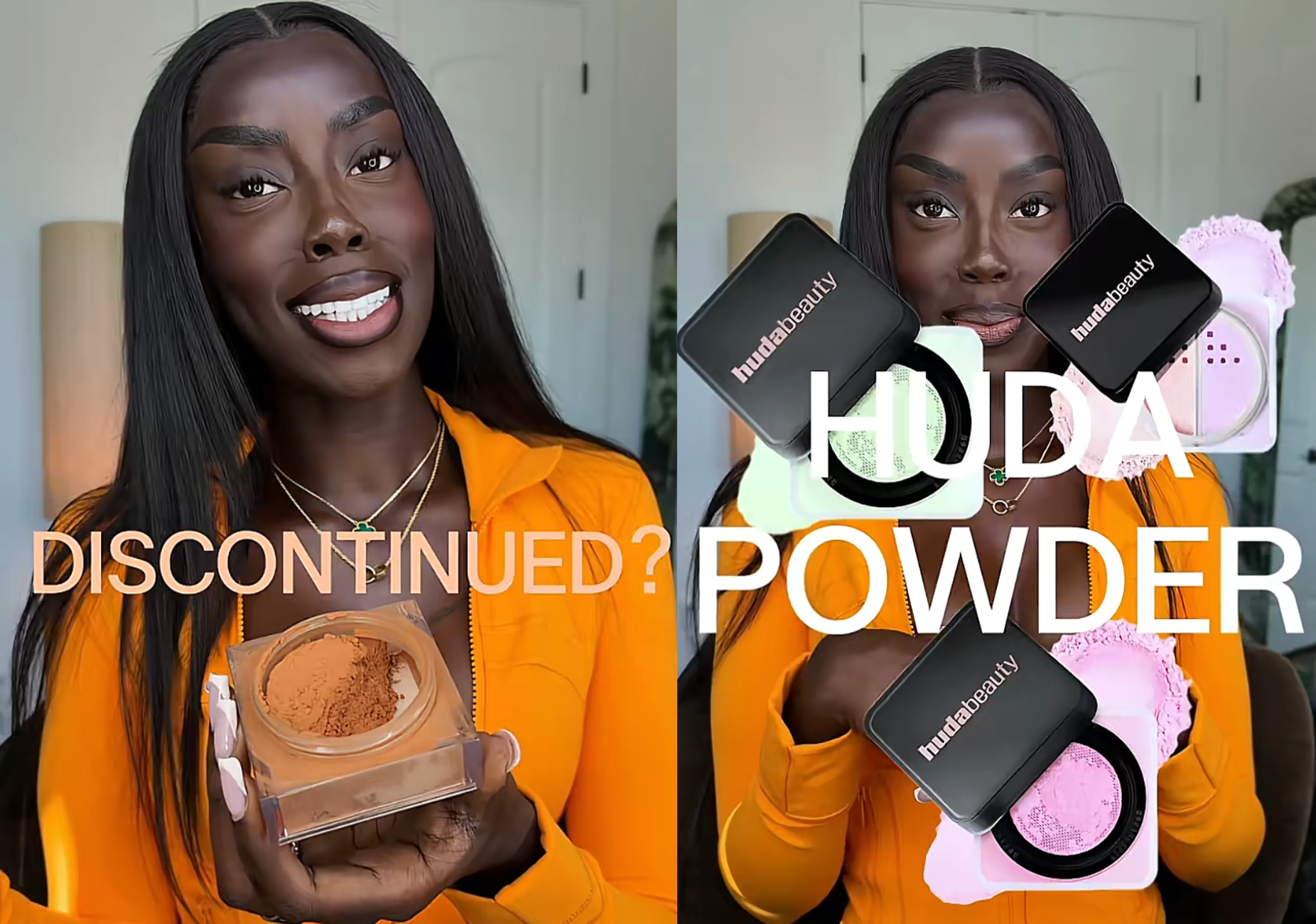
Images from TikTok: @/golloria
At a surface level, discontinued powders or missing foundation shades can be dismissed as buyers being mildly frustrated, but it goes much farther than that in reality. These high street snubs point to a deeper blind spot across the makeup industry: the assumption that the ‘default woman’ is white.
For nearly a decade, particularly following the ‘Fenty effect’ sparked by Rihanna’s 2017 Fenty Beauty launch, cosmetic brands have all raced to showcase diversity in their advertising campaigns. Inclusivity has become a standard talking point in beauty journalism and corporate press releases. However, the data found this year shows a widening gap between surface-level marketing and real, practical product development.
Surveying 155 Black women across the UK, Black Ballad found that although 94% agreed that the makeup industry has improved over the past 10 years, the day-to-day shopping experience is still deeply unequal. Only 14% said that they can easily find foundations that complement their undertone, whilst 48% regularly have to mix two or more foundations to find a match – and 93% of those wish that they didn’t have to. Fewer than one in six felt that high-street beauty counter advisors were equipped to handle their skin tone and/or complexion.
When brands design their core lines around fair to medium skin tones first and treat deeper shades as a secondary thought, women with darker skin tones end up having to buy multiple bottles to make their shade, whilst also dealing with chalky undertones, understocked shelves outside of major overpriced stores or sudden product discontinuations.
Speaking to a few MUAs, the response was vastly similar: it’s definitely more difficult to find a variety of shades for Black women, particularly with darker skin tones.
One said, “It’s very expensive to have to buy multiple shades of makeup, as a lot of the time I have to combine them to match my clients. Or, they’ll just bring their own foundations.”
Ultimately, the backlash in the beauty scene this month offers a clear message to cosmetics boardrooms. Although there has been progress in makeup inclusivity, a majority of Black women are still not able to walk into any UK high-street store, find their exact shade on the shelves and trust that it’ll still be there when they need to restock.