Inside the 5% — The Acoustics of Being Heard
In a music industry still shaped by uncontrolled machismo, emerging artist Mikki Leah was encouraged to make herself small in rooms never built with her in mind. But inside Bluebell Studios, the female-lead space created by producer Felicity Henry, she found the rare kind of safety that allows an artist to expand. This is the story of how her voice began to unfurl. George Cooper sits down with Mikki Leah to explore what becomes possible when a room finally listens back.
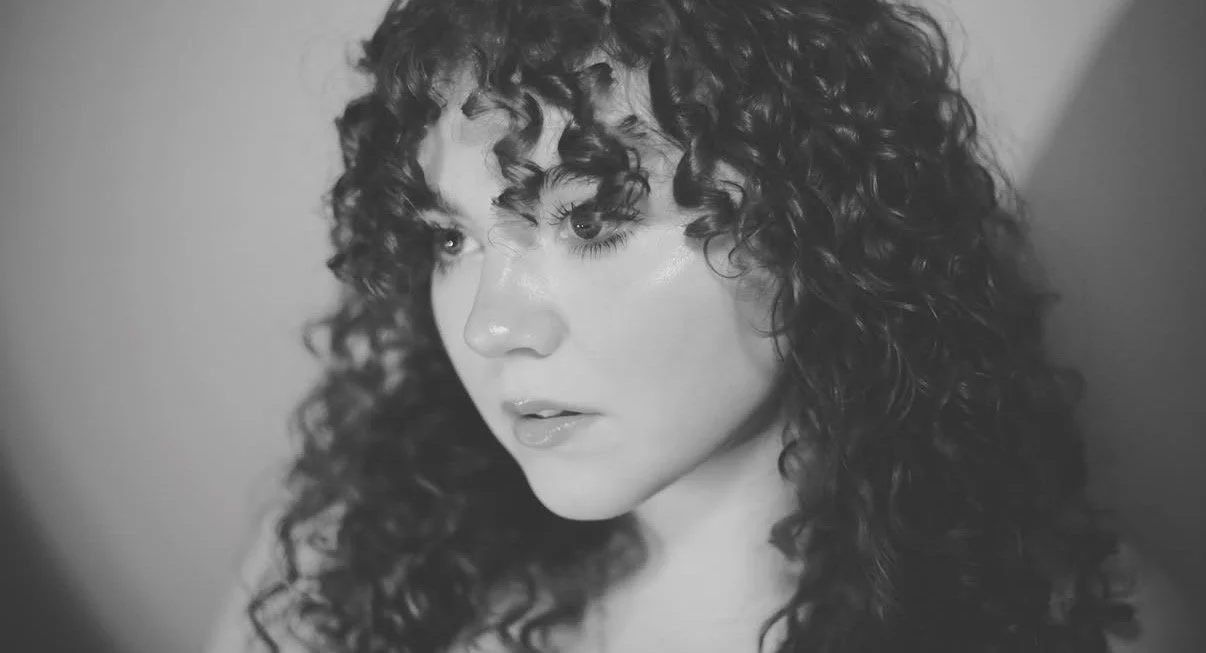
Image by Juliette Anaï Photography. @mikkileahh pictured on the cover of her most‑streamed single, “Aurora”.
The recording studio in Coventry University’s Ellen Terry building is ordinarily a sterile constellation of soundproofing foam, dormant microphones and the faint hum of institutional machinery. All of it seemed to undergo a subtle metamorphosis the moment Mikki stepped inside.
Draped in an oversized red cardigan, she carried an aesthetic that felt at once artfully effortless and quietly intentional, the kind of indie elegance that suggests a person who lives half in the world and half in the margins of her own lyric notebook.
At first, her posture was timid. Her shoulders were concaved and her hands tucked into her sleeves, as though she were trying to fold herself into the room. But as our conversation drifted from polite formalities into something looser and more human, that self‑containment began to unravel. Her curls, buoyant and untamed, danced with each small laugh and caught the studio’s low light like punctuation marks to her softening presence. When she lifted her guitar onto her lap, her entire demeanour recalibrated. Her spine lengthened, her breath deepened, and the atmosphere seemed to tilt imperceptibly toward her.
The first notes she coaxed from the strings were tentative, almost diaphanous. Soon, though, the melody unravelled into something startlingly intimate, raw yet whimsical, fragile yet assured, the kind of song that feels less like a performance and more like trespassing into a diary entry.
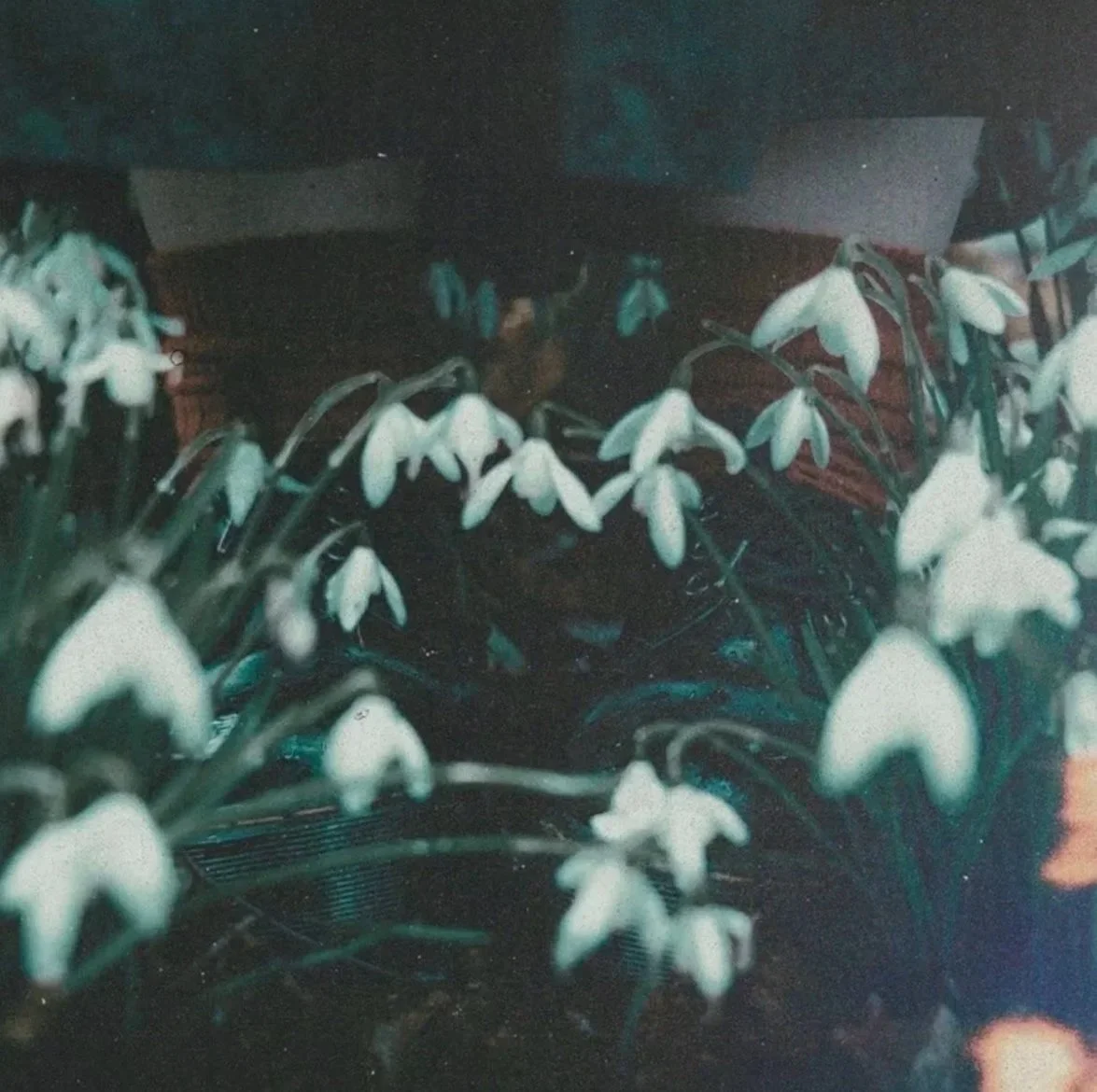
Image by Mikki Leah, Cover of latest track ‘Easy Way Out’.
What struck me most was that her softness was not rooted in uncertainty. When I asked about her experience working with producer Felicity Henry, Mikki’s face lit up. “I found her on TikTok,” she said. “She ran this small, independent, female-led studio, and I just thought she seemed so sweet and so cool. I messaged her asking if we could work together, and she said yes straight away.”
“I felt so much safer with Felicity. I was so far from home, but with her, I felt completely comfortable” -Mikki Leah
That message became the beginning of something much larger. “Myself, my guitarist and my bassist went down to Essex last September and stayed with her for five days,” she told me. “We made the whole thing in one go. It was one of the best experiences I have ever had with music.”
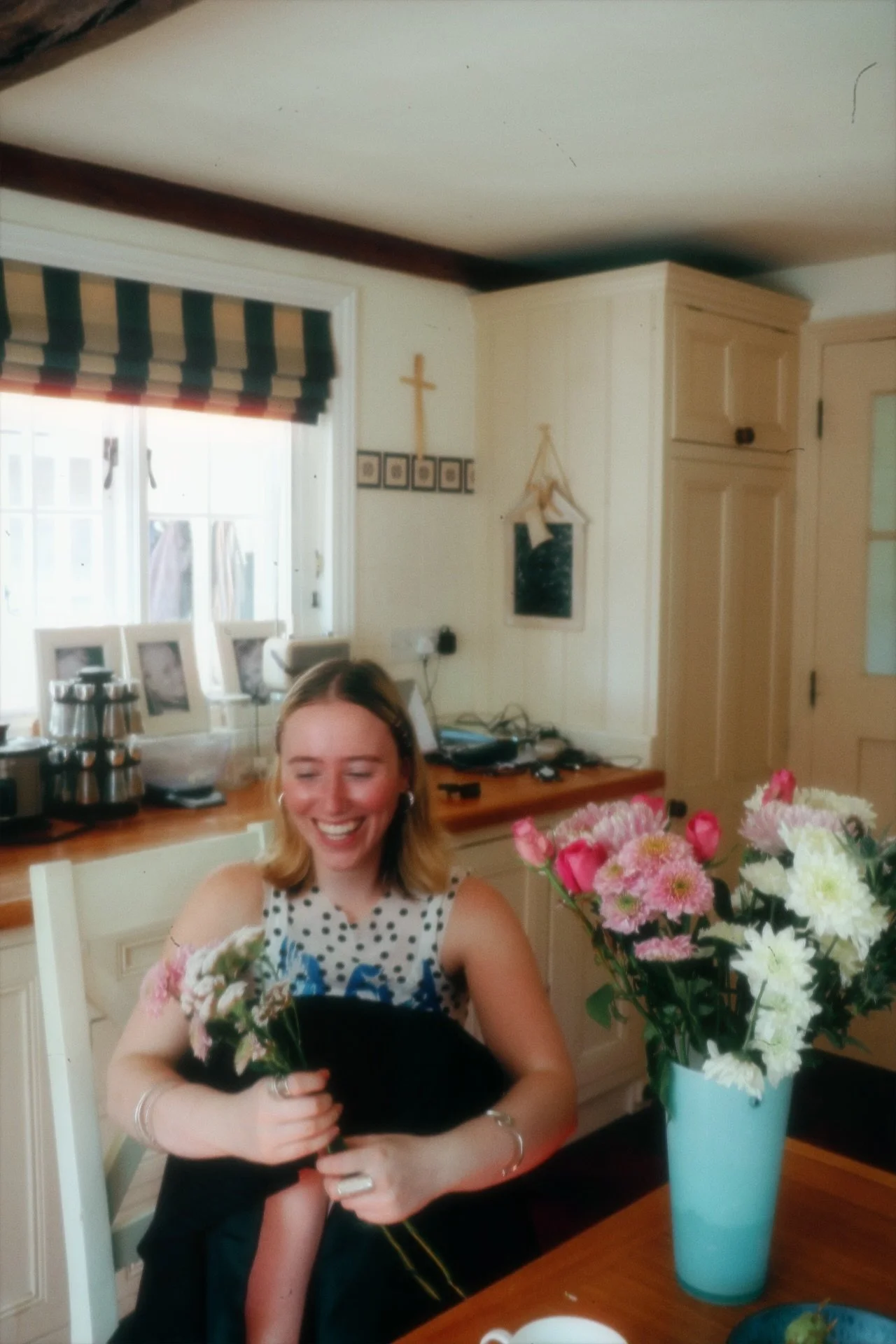
Image by Felicity Henry, https://www.bluebellmusicstudios.co.uk
To understand why Bluebell feels different for Mikki, you have to understand the woman who built it. The space she described was one where she could speak freely and express her artistic vision.
It did not appear by accident. It was built deliberately by Felicity Henry in response to the very conditions that had once made her shrink.
“I started noticing a pattern that all the female musicians were capped at assistant roles while the men were in the studio, engineering, producing and performing.” Felicity felt that she had two options:” leave the industry and the constant stress of dealing with misogyny, or create my own space where I’m respected just as much as my artists are. I wanted a space where we all feel safe and comfortable in a studio setting.” - Felicity Henry
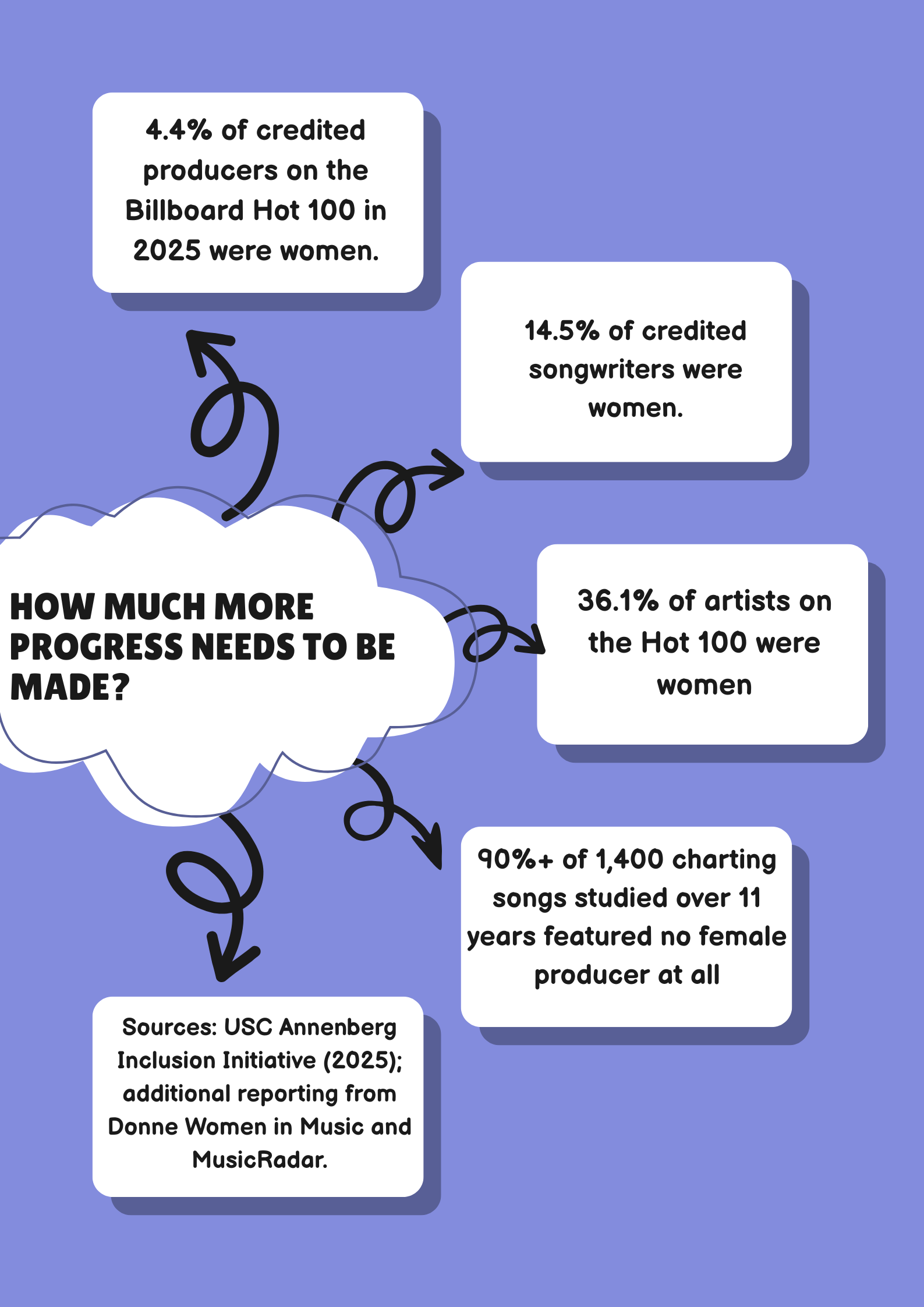
Felicity knows the architecture of a hostile studio intimately. She spent years navigating rooms where her ideas were second guessed, her competence scrutinised and her presence treated as an anomaly. The wider industry reflects that imbalance. Women account for fewer than five per cent of credited producers on major charting songs, a statistic that exposes how rarely women are positioned behind the desk, let alone empowered within it. Bluebell became her answer to that landscape, a space designed not just to record music but to unlearn the quiet violences of male-dominated creative environments.
“I had worked with a male producer before, and it was awful. He did not listen to anything I wanted and charged me a lot of money for something I hated. Everything I recorded, he rerecorded himself. The only thing left of mine was my voice.”- Mikki Leah
Felicity has spoken openly about the ways women are treated in recording environments, describing how people assume you do not know what you are doing, or they talk over you, or they explain your own job back to you. It was not one dramatic incident that shaped her. It was the slow accumulation of being underestimated, corrected or quietly sidelined.
Bluebell is refusing to keep doing that. She wanted to create a space where women can walk in and feel like the room is already on their side, a studio where softness is not mistaken for uncertainty and where creative instincts are not filtered through someone else’s authority. In an industry where women remain almost absent from production roles, Bluebell stands as a counter-narrative, a studio built not on bravado but on care, intention and the radical idea that safety is a catalyst rather than a luxury.
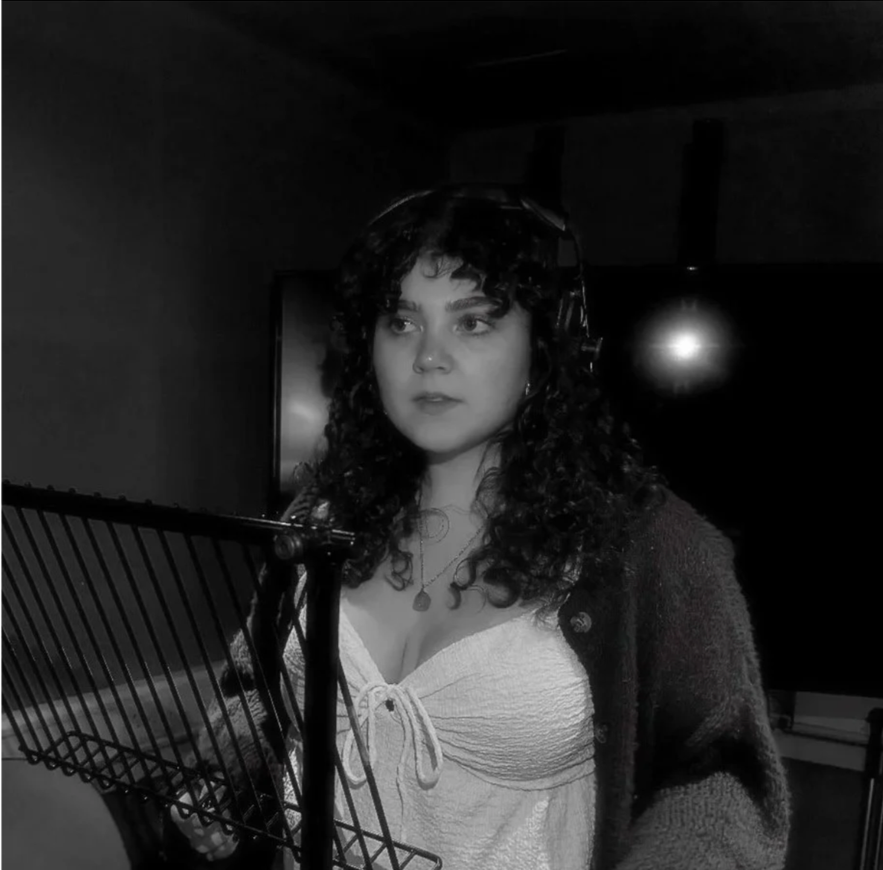
Image by Libby Dovaston, Mikki Leah performing unreleased ‘Milo’ off of her upcoming EP.
Back in the studio, Mikki sits differently now. There is a looseness to her shoulders and a steadiness in the way she holds her guitar, as though something in her has quietly unclenched. Earlier, she seemed to fold herself into the room, careful not to take up more space than she was allowed. Now, she occupies it with a gentle certainty. Not loud, not forceful, simply present.
And Mikki is not the only one who Felicity has worked with.
“Now I have this little group of girls in London that I work with,” she said, smiling. “It all started with meeting Felicity.”- Mikki Leah
Bluebell has become a refuge for women who have learned, over years of subtle dismissal, to shrink themselves before anyone else can. Mikki talks about friends who have walked through these doors and felt their guard drop within minutes, as if the room itself were exhaling with them. There is something contagious about that kind of safety. One woman expanding makes room for another, and another, until the air feels different.
Softer.
That softness is not incidental. It is radical.
The imbalance is not just a statistic. It shapes the sound of studios, the dynamics of collaboration and the emotional labour women carry into every session. Too often, they enter rooms already rehearsing how to defend their ideas. It is a tightrope that leaves little space for risk, experimentation or vulnerability, the very things music needs to breathe.
Bluebell interrupts that pattern. It offers a different blueprint, a room that listens first, a room that does not demand armour at the door.
Felicity’s belief is simple, almost deceptively so. When women are given rooms that hold them, they do not just make music. They transform. They take up space differently. They grow differently, and maybe, if enough rooms are built with this kind of care, the industry will begin to sound different, too.
For early glimpses of Mikki Leah’s upcoming summer EP, head to CovFeed on TikTok for an exclusive interview and performance. If you’d like to learn more about the work behind Bluebell Studios, Felicity Henry can be found at bluebellmusicstudios.co.uk or on Instagram at @felicityandhermusic.