Three Million Tonnes Too Much - The UK’s Festive Waste Problem
Written by George Cooper
Celebration and sustainability may seem worlds apart, but traditions like a local pumpkin patch show they can thrive together.
In the UK, Christmas alone generates an additional 3 million tonnes of waste every year. Household rubbish increases by around 30%, from packaging to ornaments. More than 114,000 tonnes of plastic packaging are thrown away during the holidays. As well as an estimated one billion Christmas cards being discarded, the equivalent of 77 football fields’ worth of trees. These numbers reveal a pattern of seasonal excess that has become so normalised, even though the effect it’s having on the environment is far from it.
One of the most overlooked contributors to this waste is pumpkins. Each Halloween, the UK buys around 22 million pumpkins and more than 18,000 tonnes of them are thrown away after carving.
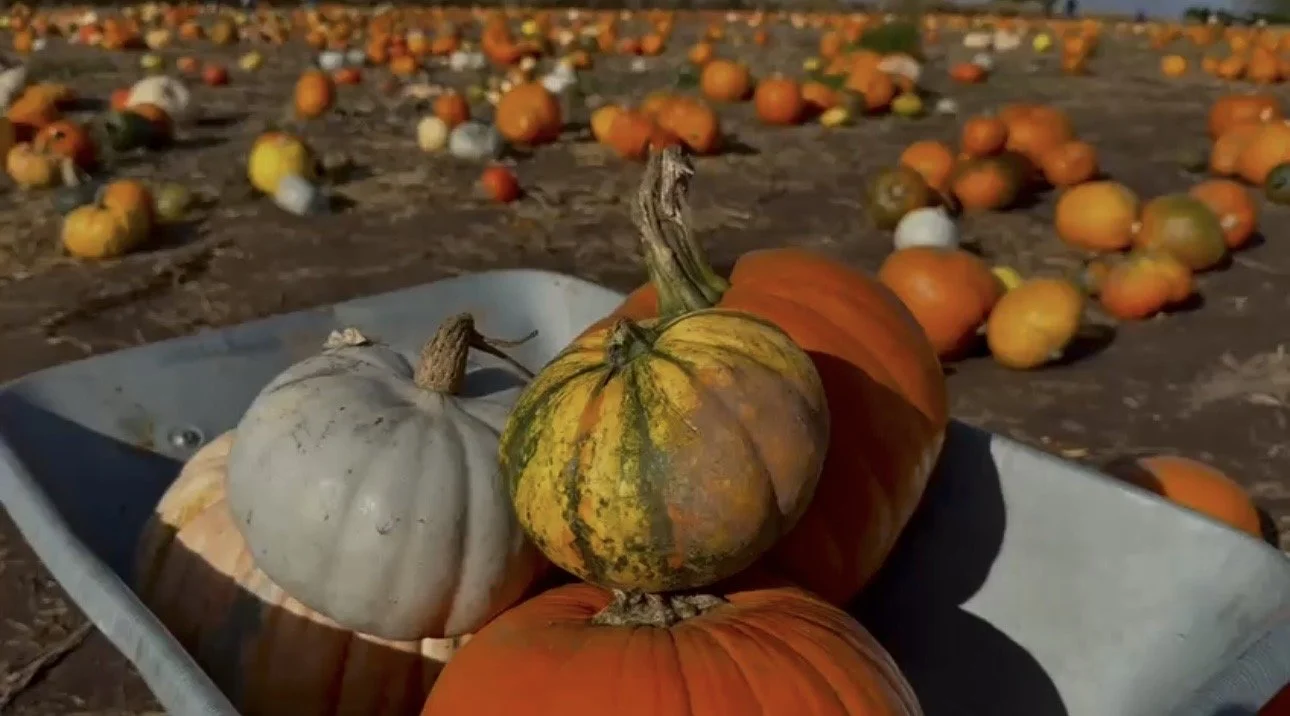
Image: CovFeed
When pumpkins end up in a landfill, they decompose without oxygen. This releases a surge in methane, a greenhouse gas significantly more potent than carbon dioxide. Illustrating how quickly traditions can turn into environmental burdens.
Lichfield Maize Maze are one of the few businesses not only practising sustainable farming, but also educating their customers. The award-winning, family-run farm looks at pumpkins as more than just decorations, but rather a nutricious material. Alice, the events and farm manager, expresses how imperitive it truely is to practice sustaibablity during festive seasons.
“Pumpkins are a superfood in every sense. They feed people, they feed the planet. Recycling them through delicious recipes or composting them should be the last stage in a pumpkin’s life, not being thrown away.”- Alice, Farm Manager.
Her experience reflects a national problem, most people simply don’t realise their pumpkins can be more than just carved, or that composting them prevents methane emissions. Instead, they are placed in general waste bins, contributing to the seasonal surge in landfill.
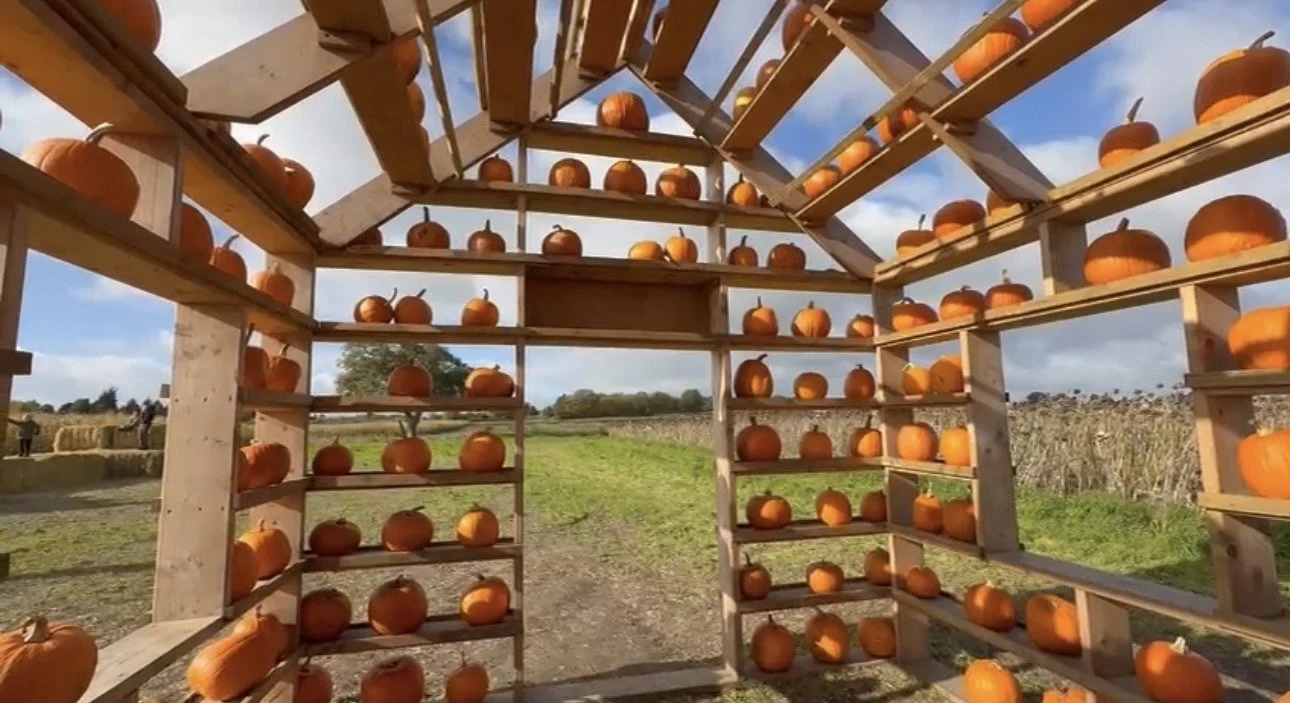
Image: CovFeed
“We have thousands of pumpkins here; inevitably, some don’t get sold. We are linked to local food banks, we donate pumpkins and recipes so they don’t go unenjoyed,” Alice, Farm Manager.
Alice sees the same pattern every year. Families carving pumpkins for a few days of enjoyment before discarding them. Her observations highlight a wider truth about festive habits. Convenience often wins over sustainability even when the alternatives are simple.
And pumpkins are only one part of a much bigger picture. The environmental impact of the festive season stretches across every tradition. Food waste is one of the biggest contributors. Millions of mince pies, vegetables and leftovers are thrown away each Christmas, even though they are perfectly edible. Even Christmas trees become part of the problem when they are sent to landfills instead of being composted, as it as well can also cause the release of greenhouse gases.
Alice’s insight is a reminder that sustainability does not rely on grand gestures. It begins with awareness.
Now that we are in the middle of another festive season, it is worth taking a moment to think about our own habits. Pausing to reflect on how we might be contributing to this growing environmental problem is the first step toward celebrating harmoniously with the planet.