BMW iDrive – From Being the Best to Being Like the Rest
BMW has evolved the iDrive system to align with the wider industry shift towards all-digital, minimalist interior design - however, growing criticism from customers suggests that this automotive digital revolution may not be entirely positive.
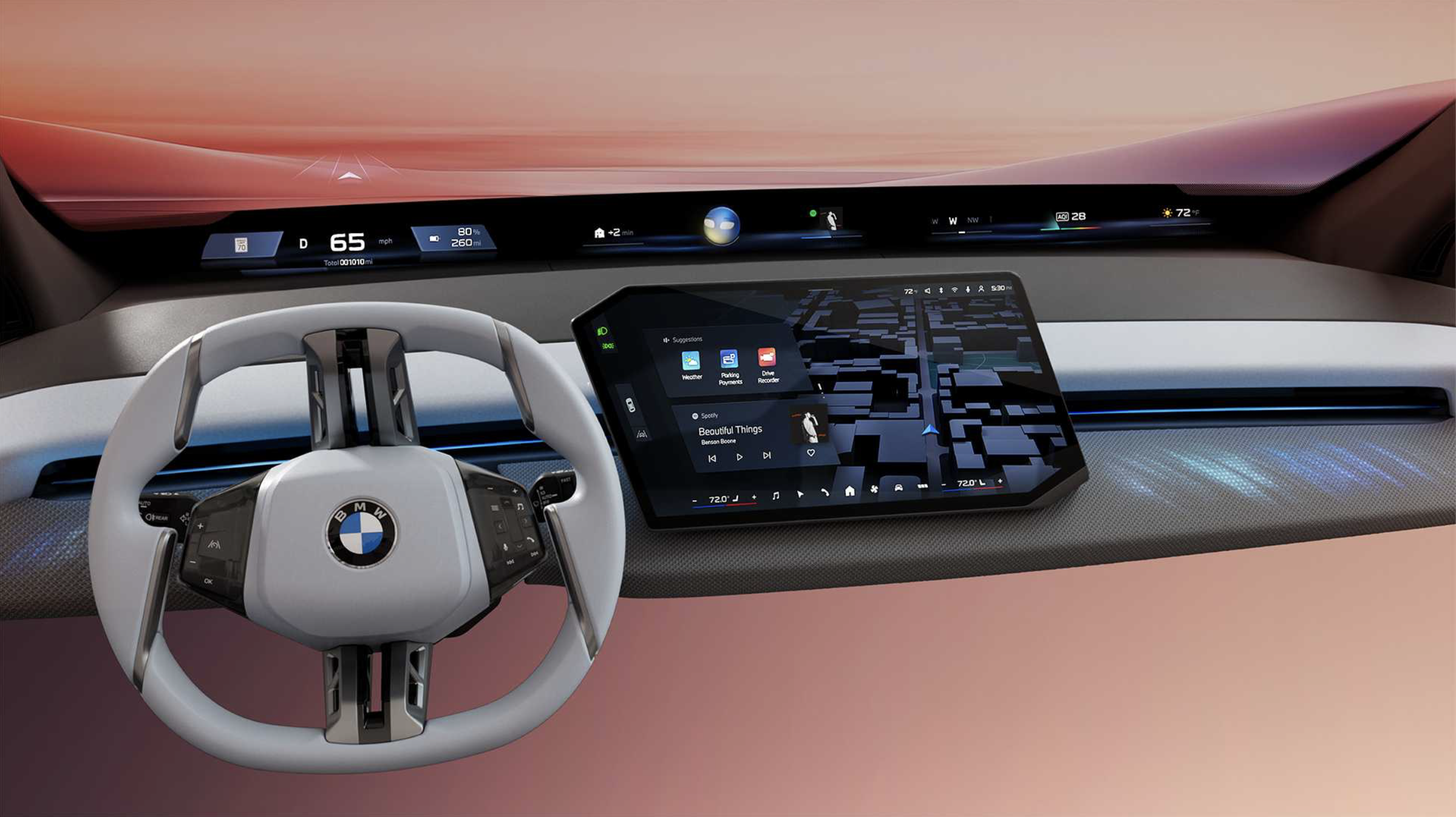
Throughout the 2010s and the early 2020s, the BMW iDrive System was considered by many to be the best car infotainment system on the market. By combining a rotary controller, physical buttons and a logically structured interface that was universal throughout the entire BMW range, iDrive was considered the benchmark for over a decade.
However, in recent years BMW has completely changed its direction. Following the roll-out of iDrive 8 and the latest iteration, Panoramic iDrive, the Bavarian brand has shifted towards minimising physical controls and instead using a large touchscreen interface and a more software-driven user-experience. This transition reflects an ever-increasing trend in the automotive industry has been doing, where car manufacturers have heavily adopted minimalist, screen-focused interior designs – something that has been significantly popularised following the meteoric rise of Tesla.
This transition however has split opinion. Some drivers enjoy the modernisation and additional functionality through the touchscreens. Whereas many others argue that moving away from physical controls has compromised how useable car interiors are, as well as whether they are so distracting to the point it’s become dangerous. Building on the opinions of BMW owners and enthusiasts, this article explores whether iDrive’s evolution is progression, or a departure from the qualities that once made it the best in the business.
The Golden Years (iDrive 6-7)
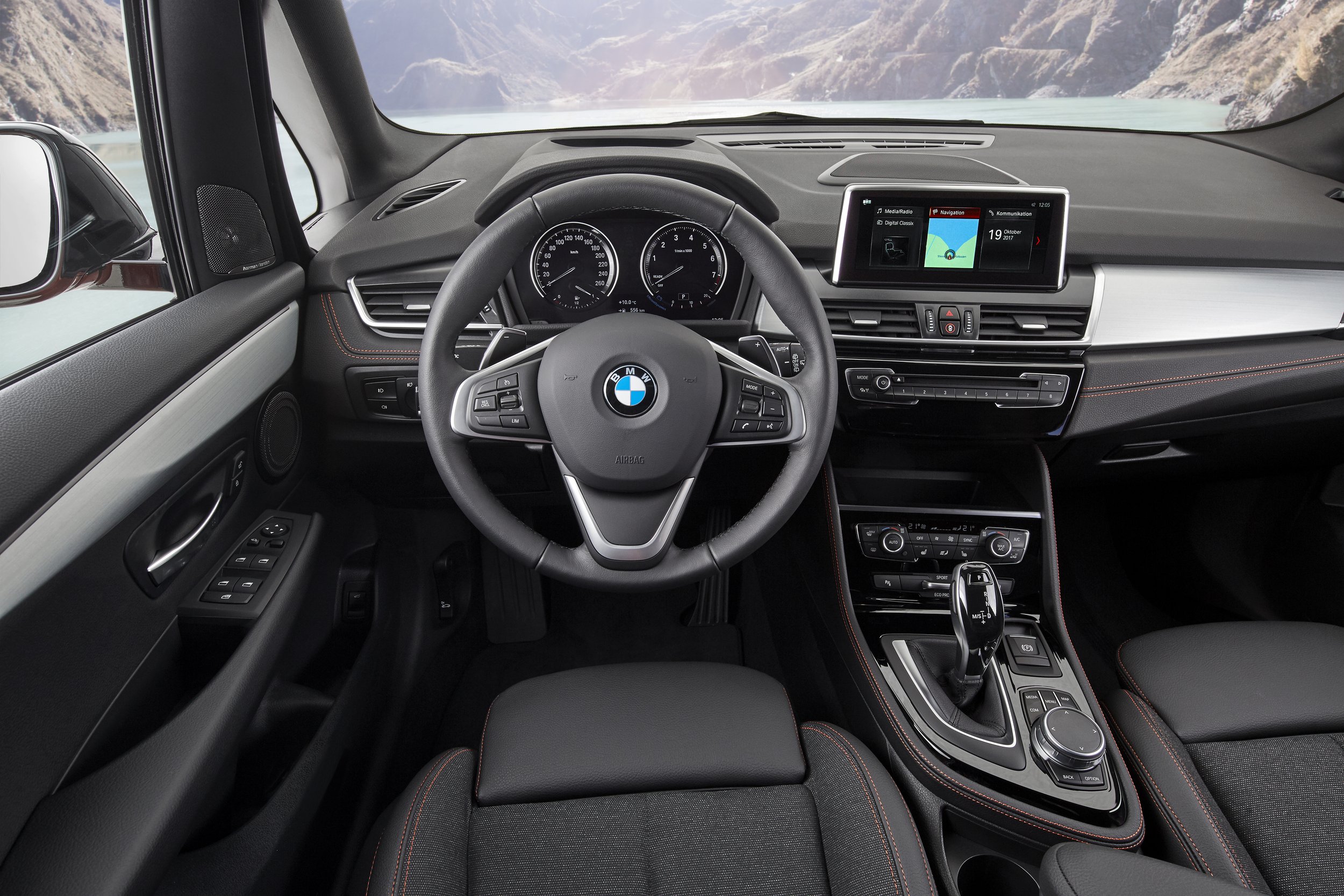
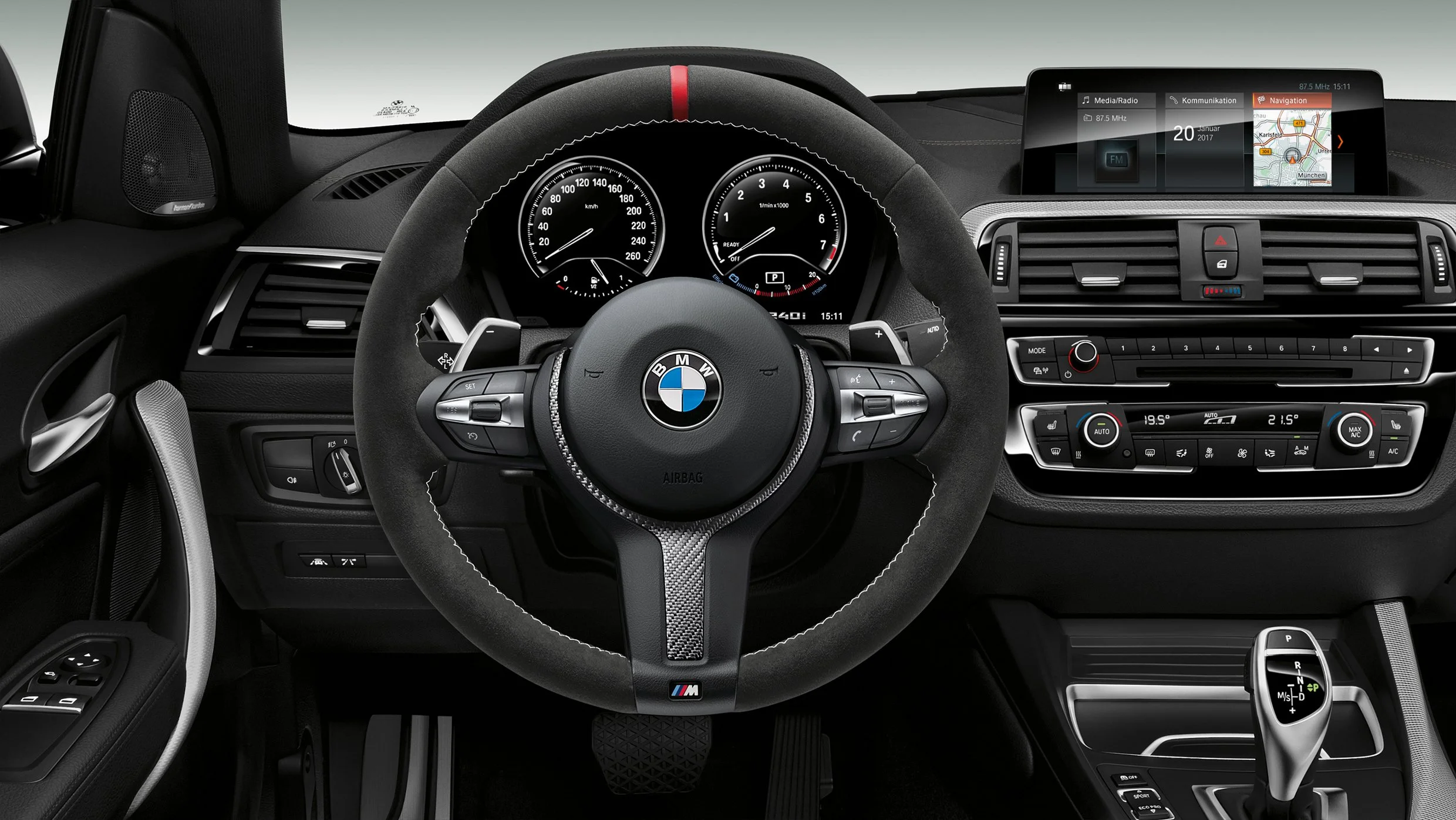
The interior of the 2018 BMW 2 Series Active Tourer, featuring iDrive 6.
If you were to ask any BMW enthusiast what the best version of iDrive was, chances are the answer would be either iDrive 6 or iDrive 7.
iDrive 6 was a balance between analogue and digital design that to this day many BMW owners/enthusiasts regard highly. It was among the last generation of BMWs to feature a traditional analogue instrument cluster, something in which many owners preferred over the all-digital layout we see today. It’s “Live tiles” layout was simple, easy to read at a glance and very responsive. Most importantly though, it wasn’t trying too hard - It just worked, making usability it’s primary directive. While iDrive 6 introduced Apple CarPlay and touchscreen functionality, the primary method of interacting with the system was still through the rotary controller, allowing drivers to navigate the menu’s while driving with minimal distraction.
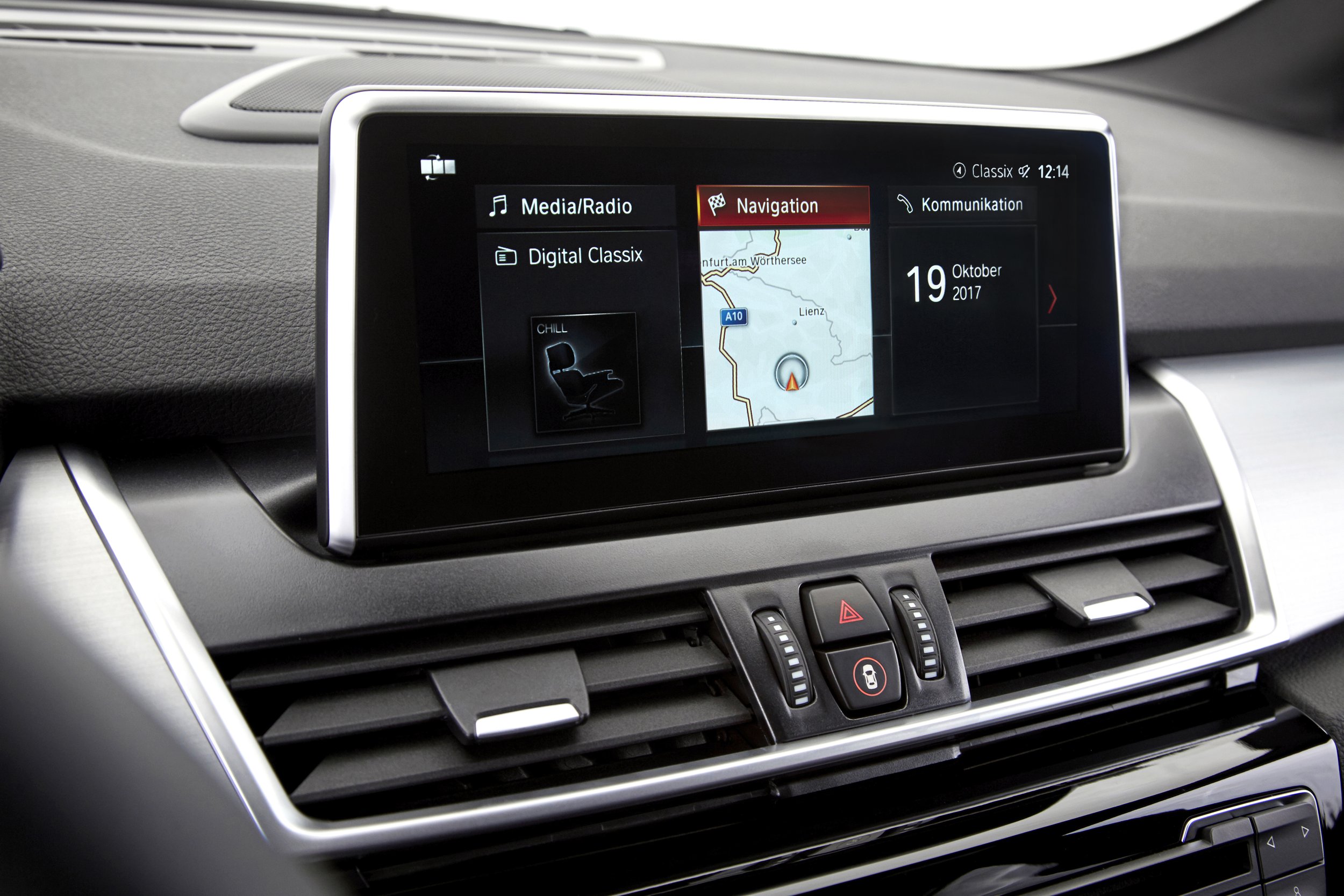
The 8.8 inch touchscreen display from iDrive 6, with the ‘Live Tiles’ layout on display.
This approach resonated strongly with its users. One BMW owner described the system as “perfectly balanced”, combining modern connectivity and analogue familiarity with intuitive physical controls that could be used without being distracted from the road.
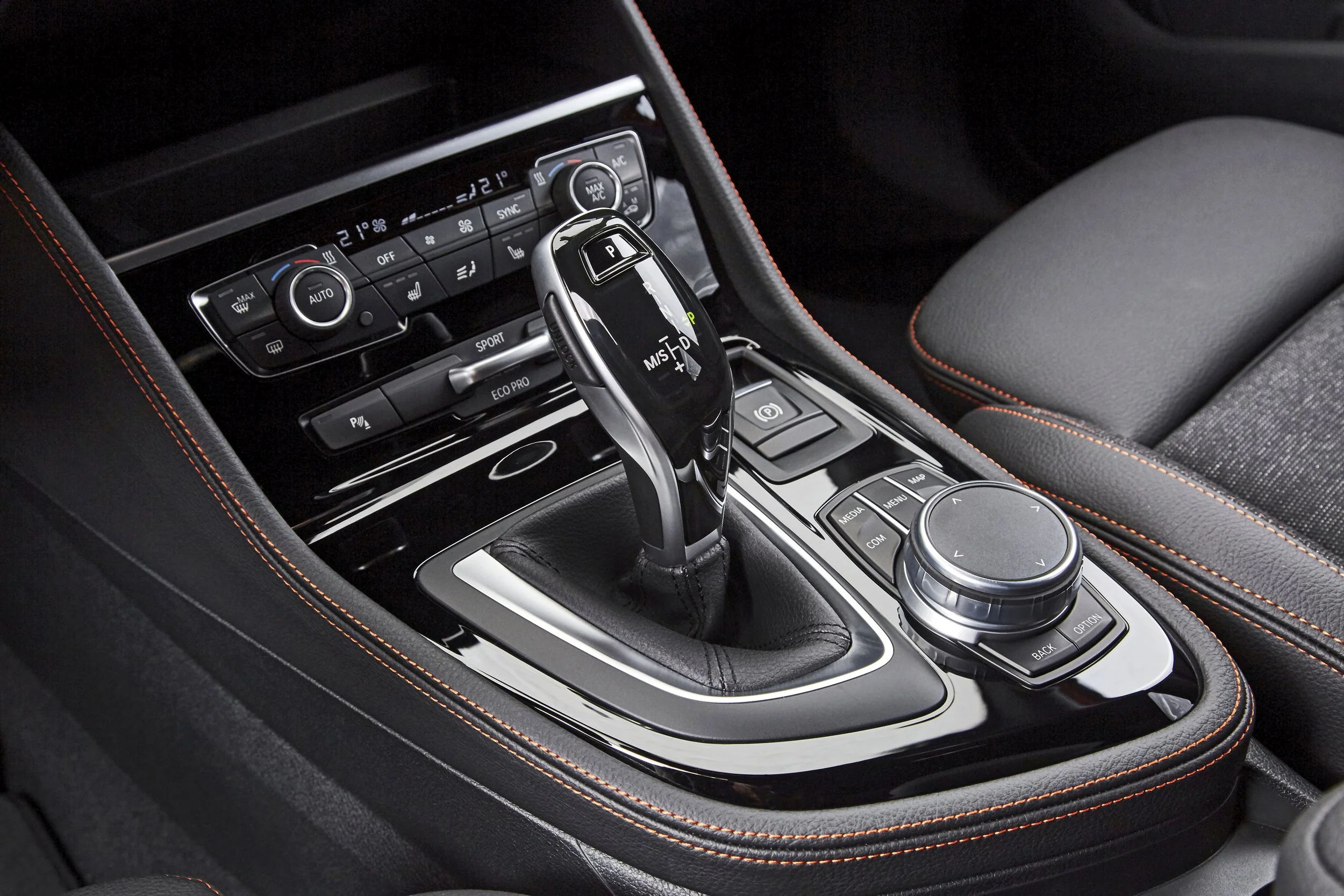
The intuitive rotary controller from iDrive 6.
Building on iDrive 6’s foundations, iDrive 7 would introduce the BMW Live Cockpit, which consisted of a fully digital drivers display and a 10-inch screen in the middle. Despite the radical digitalisation, it retained all of iDrive 6’s core strengths, such as the rotary controller, touchscreen integration and of course physical controls for key functions. However, it also had a more modern interface that was still easy to operate while also introducing new features such as wireless Apple CarPlay/Android Auto and over-the-air (OTA) updates, reflecting BMW’s move towards a more digitally connected driving experience.
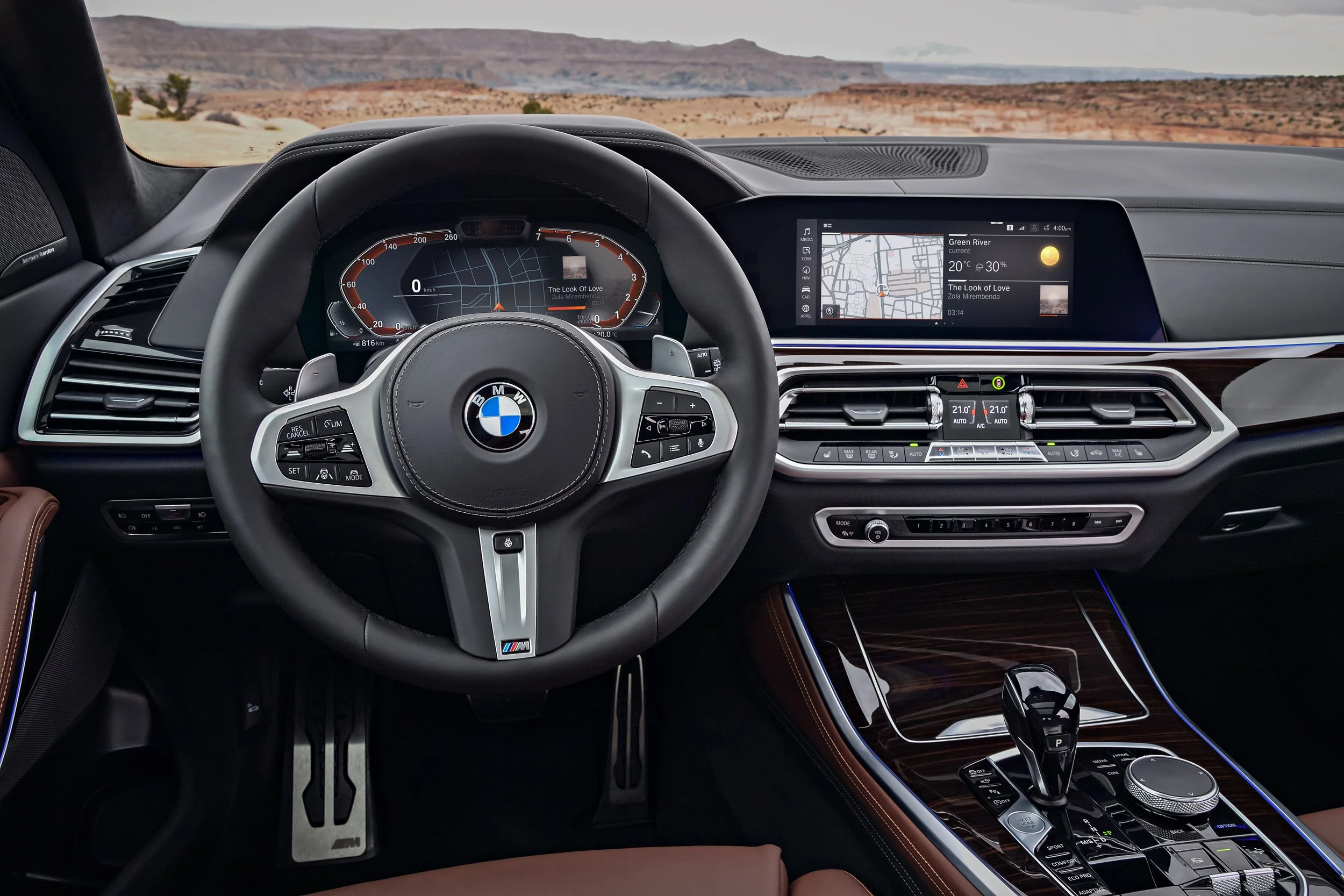
iDrive 7, also known as the first iteration of BMW Live Cockpit.
The combination of traditional useability and modern technology was, for most BMW owners, iDrive’s peak. As one enthusiast put it, iDrive 7 was “nearly perfection”, and was a system that was both easy to use and advanced.
iDrive 8 and Beyond
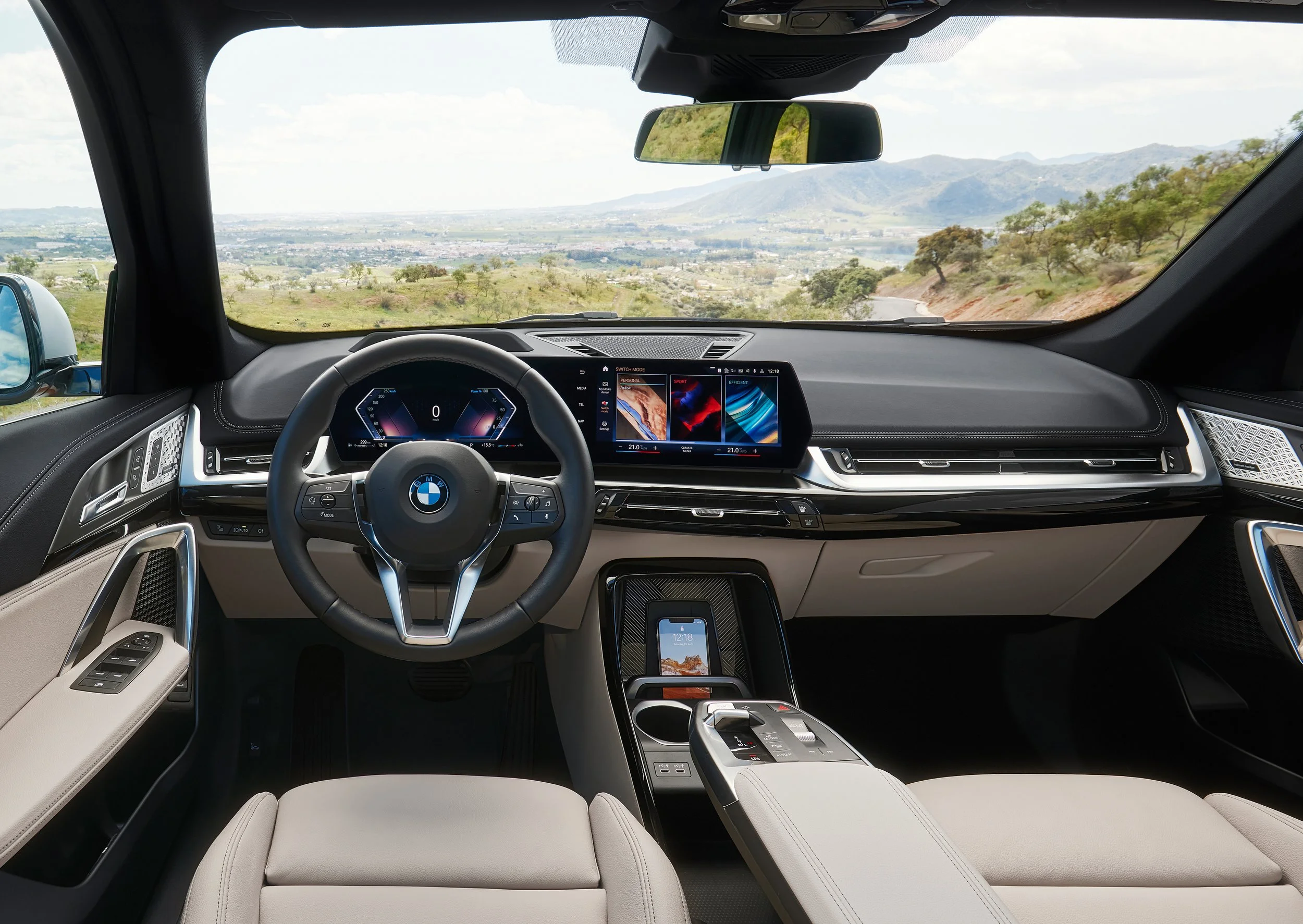
The latest generation interior of the BMW X1, featuring iDrive 8.
The rollout of the 8th generation of iDrive marked a significant change in the approach BMW made to its in-car technology. iDrive 8 would scrap the balance between physical controls and a digital user interface and in its place put in a touchscreen-dominated infotainment system, replacing many of the traditional functions and buttons into the screen. One of the main functions that have moved to the touchscreen is the climate controls, meaning users would now use it to control the temperature, fan speeds, heated seats and many more things.
The transition to the fully digital interface has been something that many traditional BMW users have struggled to accept. There is a continuous criticism among owners about how increasingly difficult and complex the system has become, with one describing it as “sub menus with sub menus, and bloat”, while another argued that the new iDrive had been “designed by someone with zero UX experience”. In comparison to how simple the previous iterations of the system were to use, iDrive 8 has been described by some as a step backwards in useability.
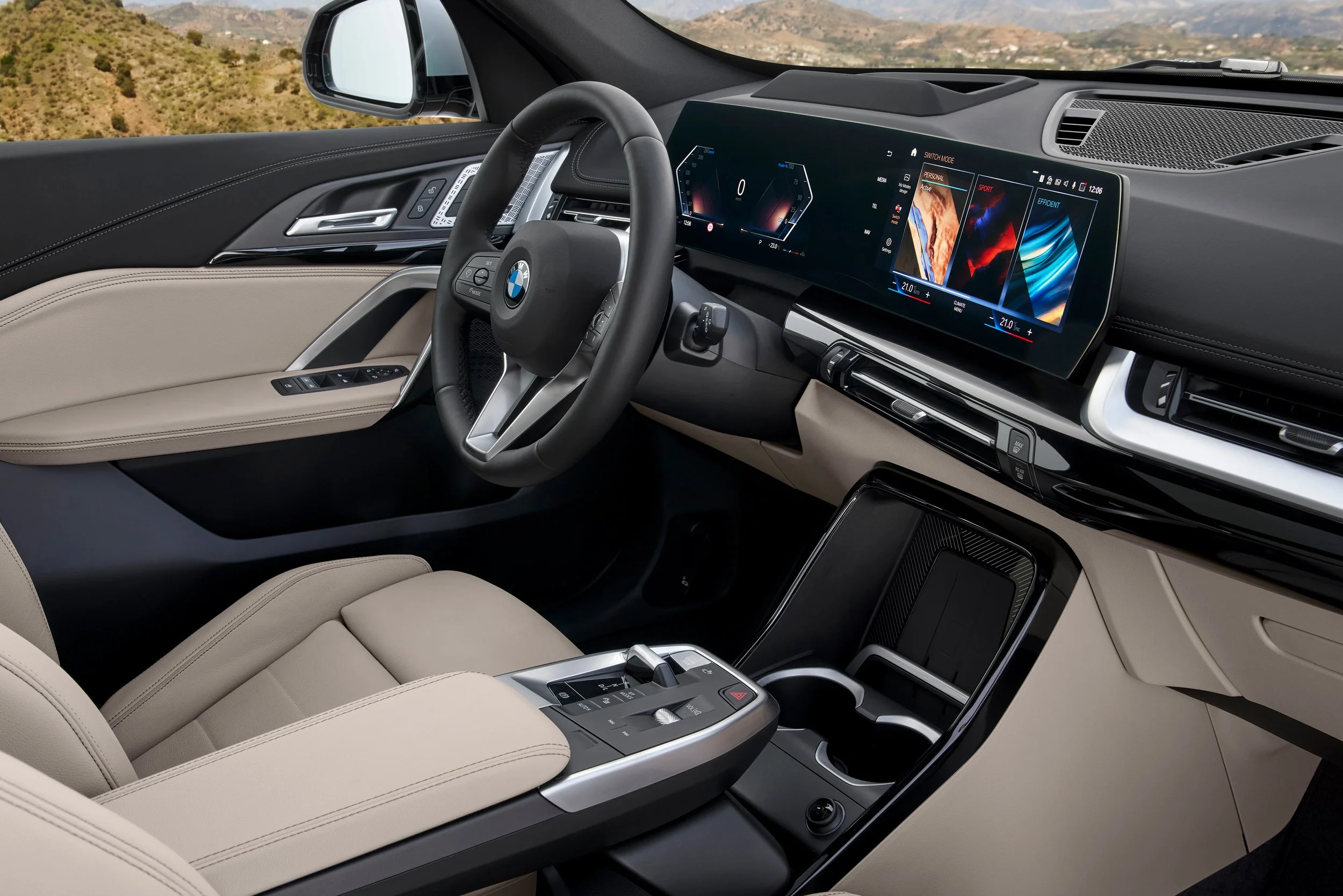
Another view of iDrive 8’s cockpit layout.
The most controversial change in iDrive 8’s user experience however is the removal of physical controls, most notably the rotary controller. Several users made it clear how important it is to have tactile interaction in a driving situation, with one person saying that “going away from the rotary dial is a deal breaker”, while another user stressed their preference for “buttons, knobs, [and] levers” over a touchscreen-oriented interface. Convenience and ease of use is not the only thing that owners are concerned about though, safety is now also a growing worry with owners, as one noted “operating a touch-only system is more dangerous in a moving vehicle”, reflecting a bigger concern that the increase in touchscreen reliance may lead to drivers being more distracted from the road.
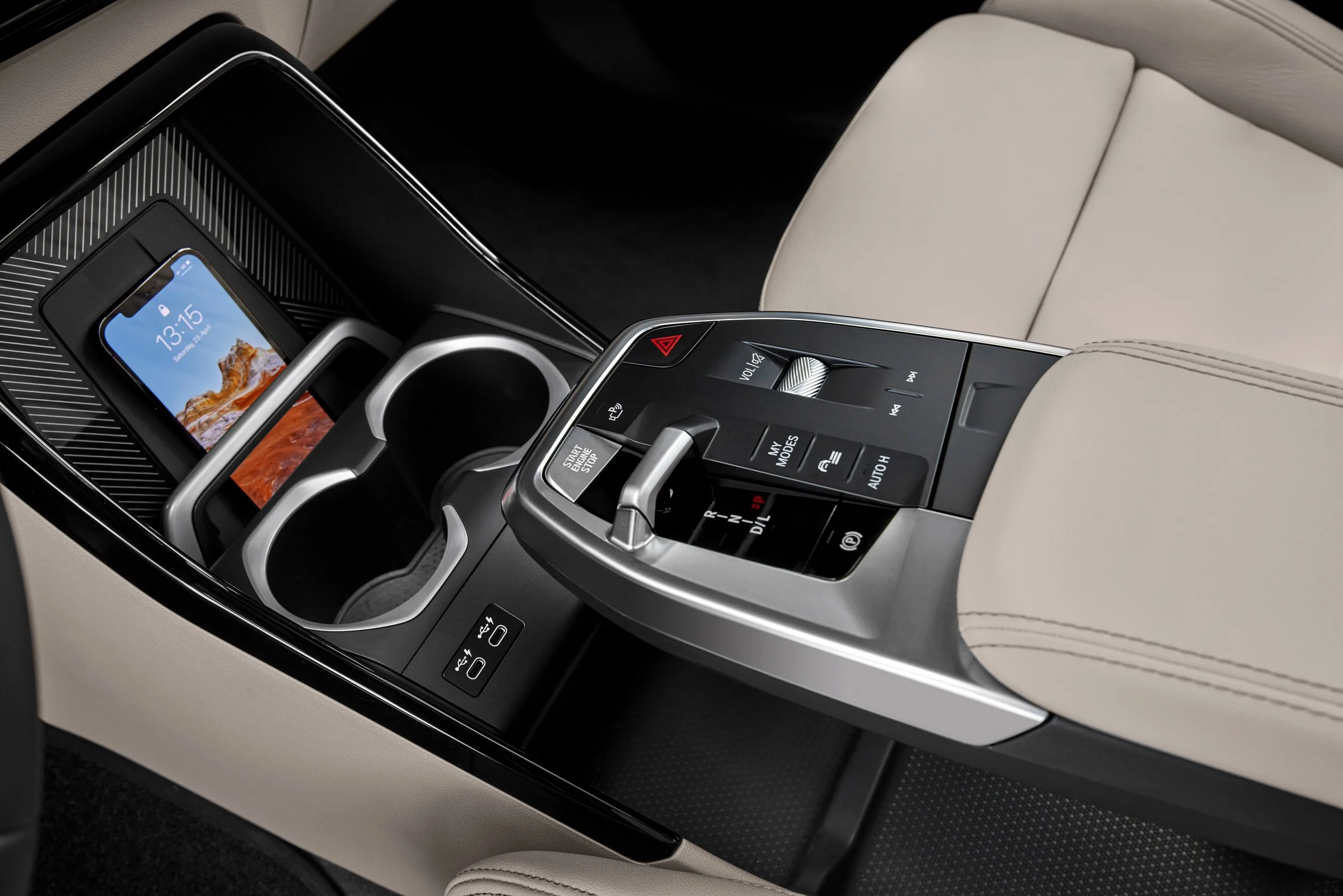
iDrive 8’s much more minimalist centre console layout, with the rotary controller now gone.
Some of the criticism goes beyond useability and safety, and more into the build quality and design philosophy of the interior, things that BMW has always been best-in-class for. One response described the latest generation of iDrive feeling more like “a computer monitor being stuck on” the dashboard, while another user suggested that cost-saving is part of the reason for the move away from physical controls, saying that “it’s much cheaper to get rid of buttons”.
Despite all this, not every response was negative. Several users acknowledged that the newest iDrive systems offer many advantages in terms of functionality and modern design. Many users said that the touchscreen interfaces make certain features easier to access, while others said that “touch and voice [controls] become more natural over time”. The change to the new generation system was not seen as a big problem for drivers that rely on phone integration like Apple CarPlay and Android Auto, with one user commenting that they “just use CarPlay” instead of the main iDrive system. More users who have switched to newer BMW’s featuring the new iDrive generation have begun to use smartphone integration a lot more compared to before, as on previous versions of iDrive, it was an optional extra that cost more than £300, whereas these newer iDrive systems have smartphone integration thrown in as standard.
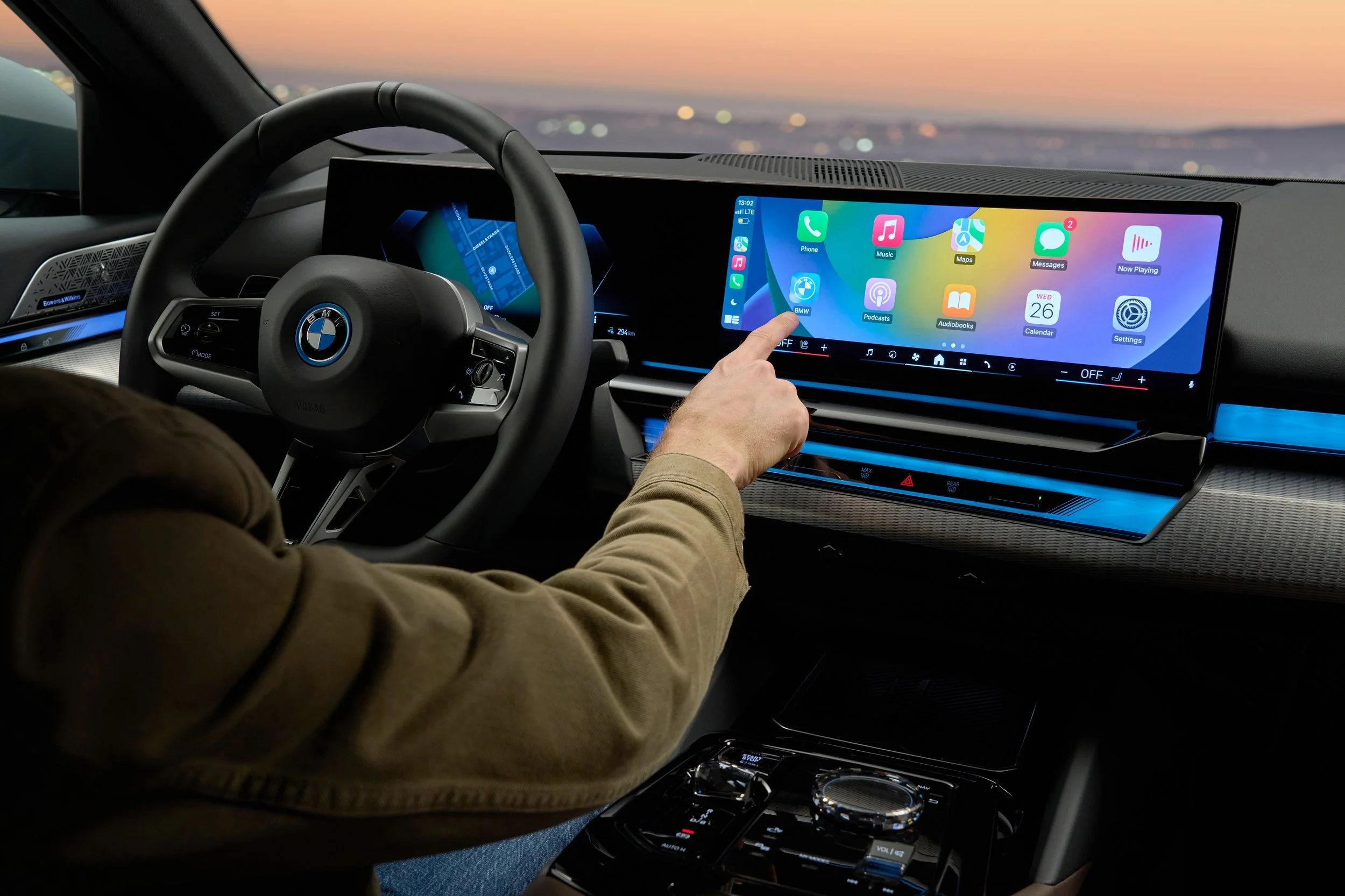
iDrive 8 running full-screen Apple CarPlay.
Conclusion
BMW iDrive was considered by many to be the benchmark for in-car infotainment, with its combination of intuitive physical controls and simple user interface focusing on the driver and useability. Previous systems such as iDrive 6 and 7 showed how modern technology did not have to compromise the driving experience in any way, finding what is now a rare balance between tactile controls and digital innovation.
The rollout of iDrive 8 and beyond indicates the withdrawal from the old philosophy. Whereas the move to touchscreen-only systems demonstrates the wider industry trends and the ever-expanding demand for digital integration, it has also brought a new issue in how useable it is and how much it distracts the driver. The comments made by BMW owners and enthusiasts has shown a divide between those who are fans of the modernisation of iDrive, and those who are biased towards the older iDrive now feeling that the practicality and simplicity of the system is now long gone.
Fundamentally, BMW’s changes to iDrive reflect the big shift in the automotive industry, where technology, design, and more importantly cost saving are now shaping the driving experience. Whether this represents progress or a step away from what made the interiors of BMW’s so well received is open for debate. Nevertheless, it’s clear that BMW have moved away from the many qualities that made iDrive the benchmark in order to keep up with the trends in touchscreen technology in the automotive industry.