Coventry city has huge aims for its environmental future, with a goal to hit net zero before 2050. However, the amount invested into this plan appears to be extortionate, and so through the use of the Council's budget data and an interview with the man who put the plan in place, Councillor Jim O'Boyle, I hope to find out whether the plan is the positive it's been made out to be, or if maybe the money could be used elsewhere.
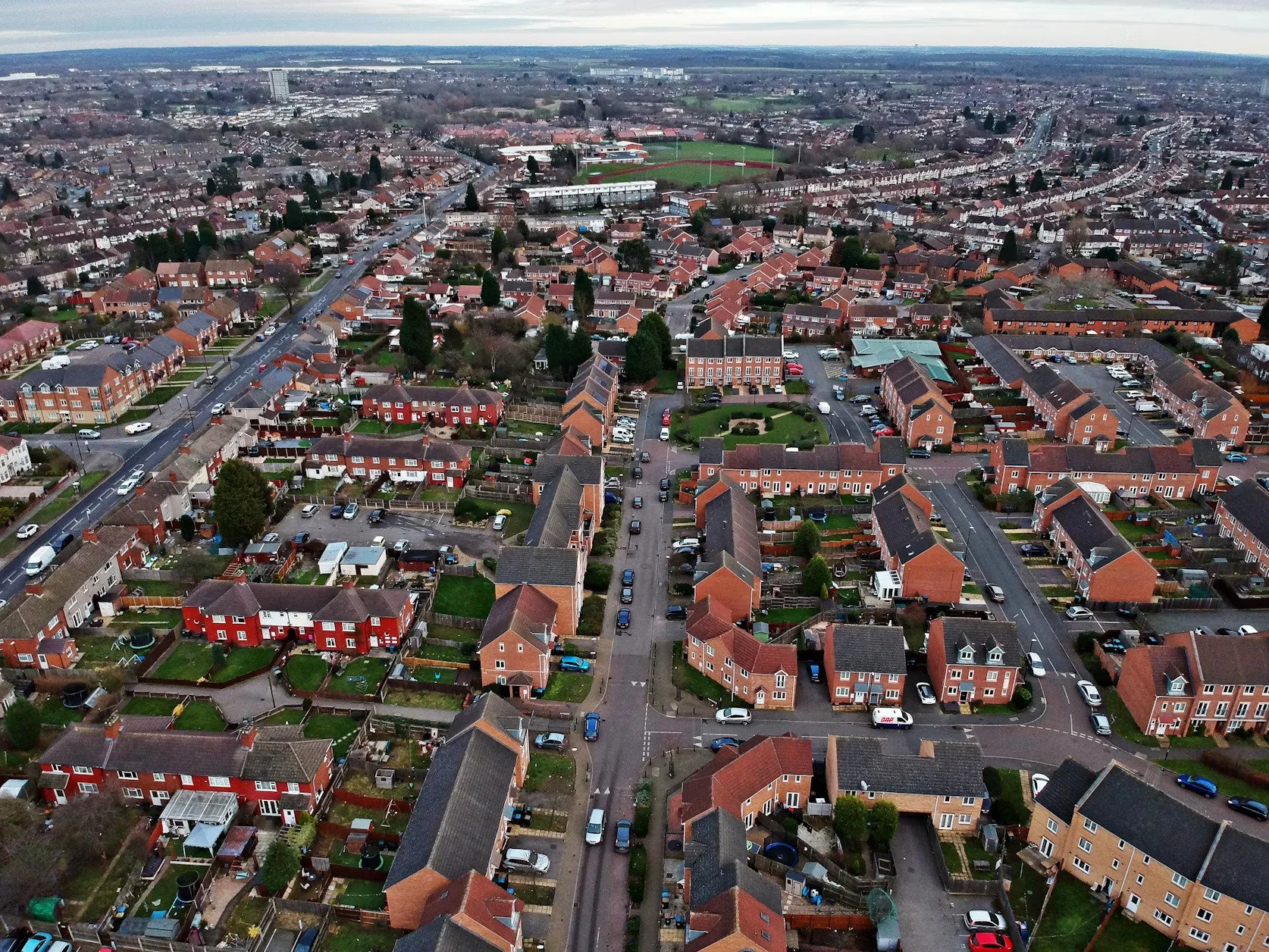
Image of the city of Coventry, by Tomasz Tomal
The amount:
First, we have to look at Coventry's year-end statement to determine just how much of this budget is being invested into climate change policies. The 2024/25 year-end statement shows the Council delivered a £128.8 million capital investment programme within that time, which they described on their website to be a “substantial amount”, and of said amount £16.5 million was put towards “climate change initiatives covering green homes and decarbonisation projects” which is an incredibly large sum of money when compared to some of the other investments such as the £6.6 million which went to supporting registered housing providers to tackle housing issues, and the £18.3 million across the city’s school estate, focusing on additional secondary school capacity.
What is also key to mention is that, while £22 million was listed as being invested into transport, it also somewhat falls under the plan to reach net zero too. The new “Mitre light rail track” serves both the purpose of introducing a new form of transport into the city while also cutting down on carbon emissions costs. In our interview, Councillor O’Boyle emphasised the importance of this creation not only for transport in Coventry but for the rest of the UK, saying “we’ve revolutionised transport not just for people in Coventry, but eventually for the rest of the UK as well”, also adding that “the investment into these also creates new jobs, so it’s not only the environment it helps but it’s actually helping the entire economy of the city”. The Council also sees its partnership with E.ON as a “pioneering model” and believes this will bring further investment into the city, with O’Boyle saying “we’re looking at the future and actually generating opportunities in Coventry.”
However, that’s not all we can look at when it comes to the amount invested. When factoring in the revenue budget, which comes to around £867.8 million over the same time frame, it saw significant sums invested in Adult Services and Housing (£133.4 million) and Children and Education (£119.6 million), with housing being considered one of the most important political factors for Coventry City Council as the city has seen an increase in the number of households accepted under homelessness duties, rising from 722 to 800 in a single year. That proves that the Council is still investing large sums of money into the most pressing issues for the public, even alongside its climate ambitions.
The issues:
While of course the ambition behind the net zero plan is admirable, it does not come without its concerns. One of the biggest questions is whether this level of spending on green initiatives is justified when other areas of public service are under visible strain. Coventry has faced ongoing challenges with homelessness, an ageing population placing increasing demand on adult social care, and schools that are struggling with capacity. When you see £16.5 million going towards decarbonisation while housing providers received less than half of that, it does raise the question of whether the Council’s priorities are properly balanced. It is worth noting that Coventry’s population has been growing steadily, which only adds further pressure to already stretched public services.
There is also the issue of transparency. While the Council publishes its budget data, the specifics of where climate change funding is allocated project by project are not always easy to find. For the average resident of Coventry, understanding exactly what their money is being spent on and what tangible results it is delivering remains difficult. The Council’s website provides broad descriptions, but a lack of detailed breakdowns means it is hard to hold them accountable for the outcomes of individual green projects.
Furthermore, there is a wider political debate about whether local councils should be leading the charge on net zero at all, or whether this responsibility sits more naturally with central government. Coventry is not alone in pursuing ambitious climate targets, but the financial burden of doing so falls on local budgets that are already stretched thin. Councillor O’Boyle was keen to defend the approach, arguing that “if we don’t invest now, the cost of dealing with climate change later will be far greater,” but not everyone in the city shares that view. Some residents I spoke to felt the money would be better spent on fixing potholes, improving local healthcare, or addressing the housing crisis directly. One resident told me that while they supported the idea of a greener city, they struggled to see how decarbonisation projects helped them when they could not get a doctor’s appointment or find affordable housing.
The conclusion:
Ultimately, the question is not whether Coventry should be working towards net zero, but whether the current level of investment is proportionate and whether it comes at the expense of services that residents need right now. The Council clearly believes it is striking the right balance, pointing to the continued investment in housing, education, and social care alongside its green agenda. But with budgets tightening across the country and the cost of living still a major concern for many families, it is a question that will only grow louder in the years to come. Whether Coventry’s gamble on green investment pays off remains to be seen, but for now, it is a city that has placed its bet firmly on the future.