With climate change causing global temperature to rise at an alarming rate, ski resorts across the globe are feeling the repercussions, so what’s changed? what are resorts doing to combat it? and what could these resorts be faced with in the future?
Ski resorts across Europe are preparing to open for the 2026/27. But could climate change be shortening our seasons? Combined with the prices of ski holidays climbing year on year, European skiing enthusiasts could be paying more for lower quality skiing.
Firstly, climate change’s most severe impact is the rising temperatures. This reduces the amount of snowfall resorts experience, most severely for lower altitude locations. This can impact skiers by pushing back season start times, bringing forward end times, and lowering the quality of the powder enjoyers of the sport travel for.
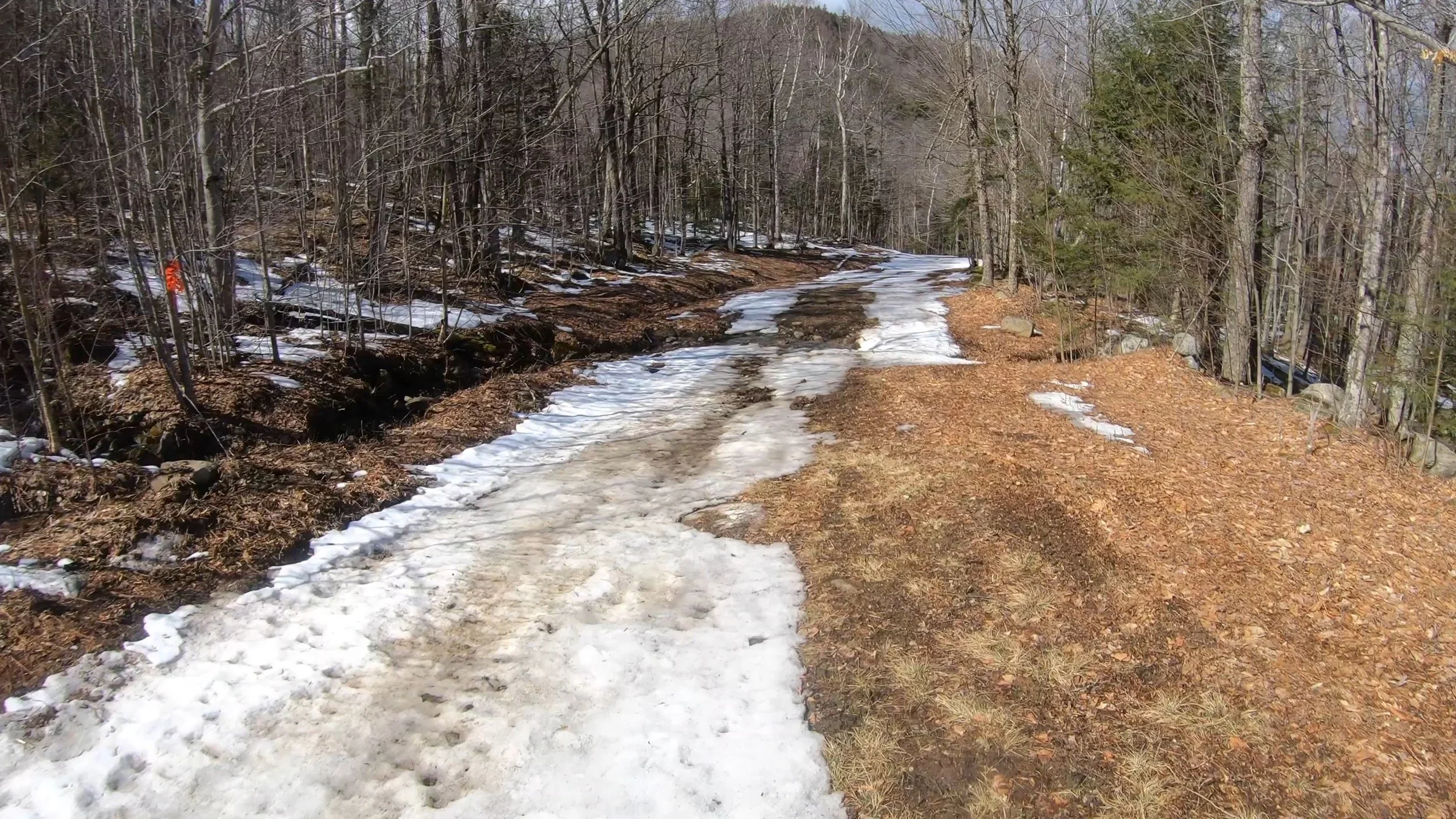
Extreme snow conditions at Tenney Mountain, New Hampshire, United states. Via peakrankings.com
Changes in snowfall patterns are another factor, with some resorts experiencing short bursts of heavy snow but then going into prolonged periods without snowfall, sometimes lasting weeks at a time. These periods are when maintaining quality snow for skiers can become a true challenge for resorts, as existing snow cover can become icy or slushy when fresh snow is not being laid on top.
In 2026, it is estimated that the period in which ski resorts have sufficient snow has shortened by 5 days per decade. In the United States, studies across more than 220 ski areas concluded that the season had shortened by between 5.5 and 7 days since the year 2000. These impacts are not spread equally across all resorts; however, Val Thorens is one of Europe’s highest altitude resorts and therefore has a significant advantage in snow retention over lower resorts.
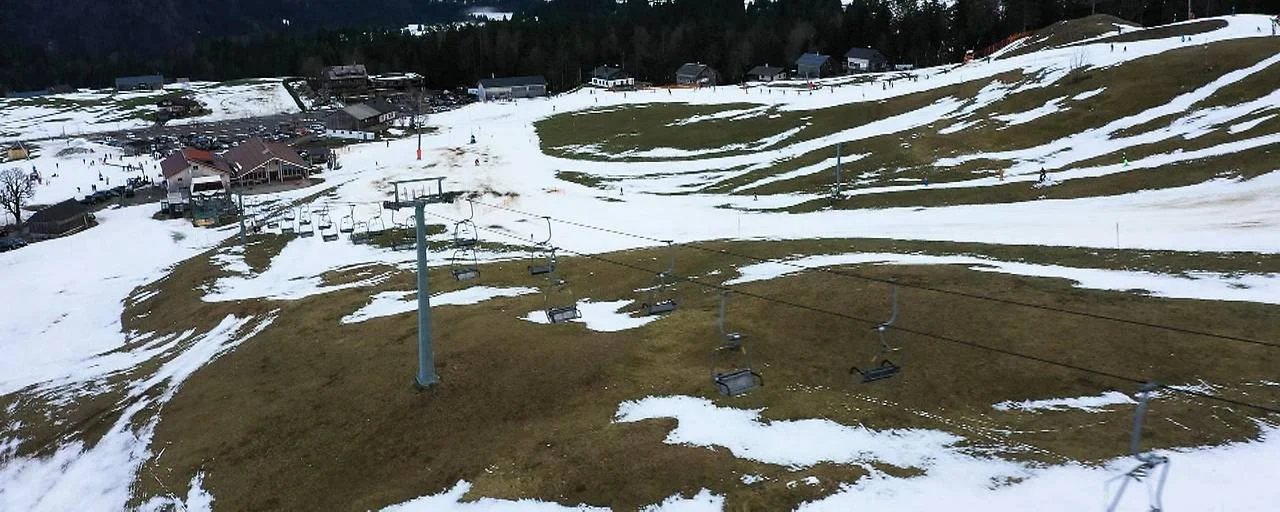
Credit: Voralberg.orf.at
Since 1950, snow coverage lasts on average one month less in the present day, with snow also being roughly 40% less deep.
Ski resorts are using methods to combat these changes, the largest of which is artificial snow production. After being discovered by accident in the 1940s, it has become a multi-billion-euro business in Europe, with more than 95% of resorts relying on it.
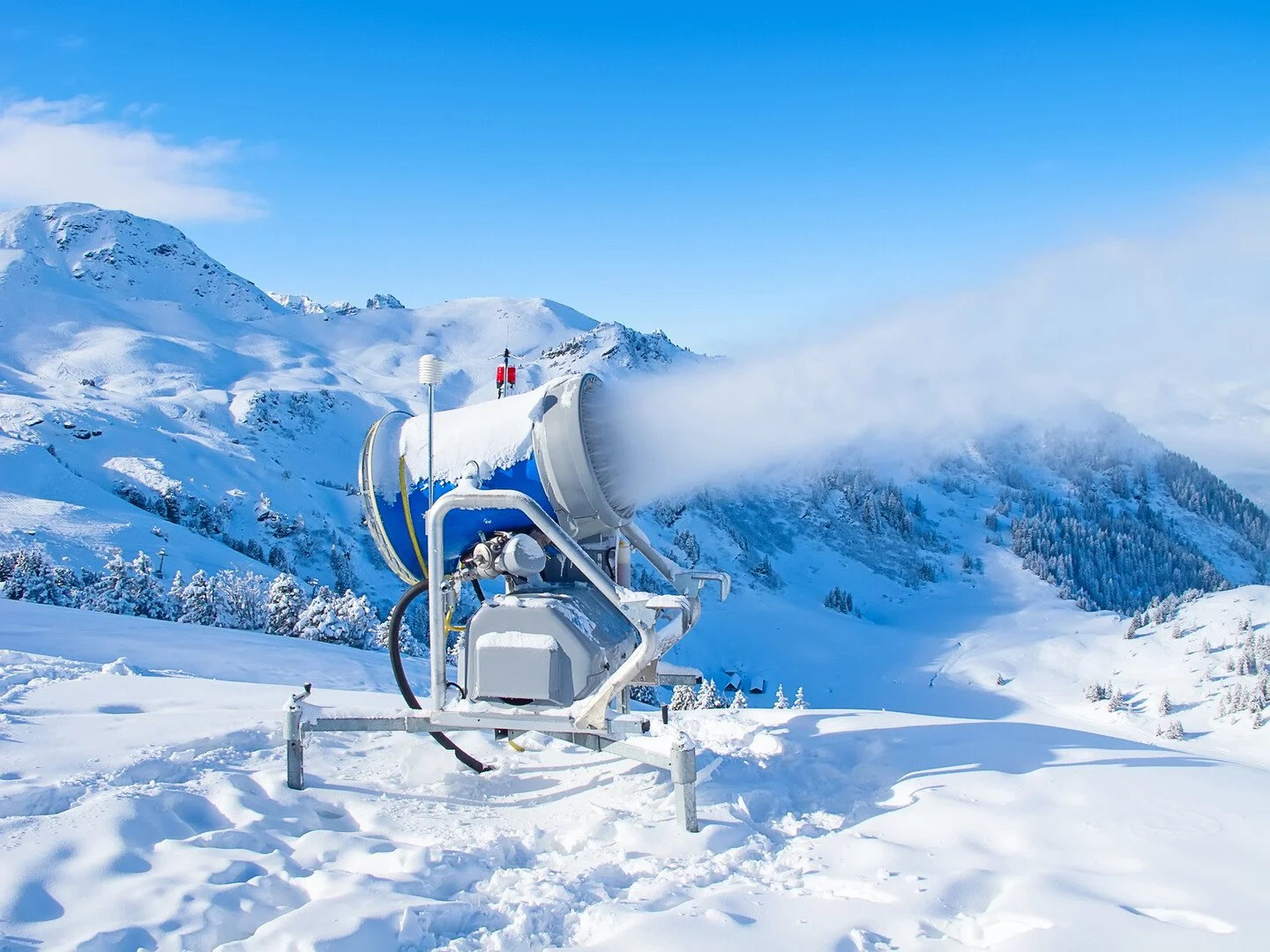
However, it is not a universal solution for every resort. Artificial snow production requires a substantial investment from resorts. It also requires specific conditions for cannons to run effectively, and finally, it uses a significant amount of water and electricity. As conditions change to become less favourable, artificial snow will become harder to rely on, especially for smaller and low-altitude resorts.
Climate change has been having an impact on various professional international winter sports championships. The 2025/26 World Cup, for example, had 25 races cancelled due to unseasonable weather and snow conditions. And with glacier shrinkage and this lack of snow, off-season training has become harder and more expensive for teams to do.
Looking ahead to the future, under a 2-degree warming scenario, over half of European ski resorts could face the risk of insufficient snow without artificial coverage. By 2050, in the U.S it is estimated that the ski season could shrink by anywhere from 14 to 30 days by 2050.