The Rise of Low-Stakes Gaming in a High-Stress World
As games such as Stardew Valley, The Sims, and Animal Crossing have begun taking over the gaming world, Samuel Clawley investigates all the details that have led to the uptake in low-stress games, from societal pressures to simple mind-numbing fun!

Comfort finds its way into games where little action happens. Through slow rhythms, pixel gardens grow while real stress fades. Yet, some wonder whether such play heals the mind or merely hides from it. A pause button shaped like progress might still be escape dressed differently. Stillness in gameplay does not always mean peace has arrived.
A quiet sort of rebellion exists in games where harm cannot touch you. Enemies never approach. A leaderboard does not track your flaws. Instead, there is soil to tend, chores that wait patiently, and now and then, a gentle sound marking completion.
The gaming world is starting to revolve around something more cozy, and its growth shows no sign of slowing. Close behind are idle games: ones that continue without you, gathering rewards silently while you step aside, as if some small digital worker never clocks out. Together, these styles form a rising wave across today’s entertainment landscape. What drives their popularity reveals a trend in how people feel pressure, and seek comfort in high-stress work days.
“Life is hard, people just want to feel good”
Nathan Ellam, a software creator at Fen Research, known for the online and mobile role-playing game Brighter Shores, works across mechanics, code, and the integration of visual and audio elements. Recently, his attention has turned toward understanding what draws players into gentler virtual environments. While high tension dominates much of gaming, his focus lies elsewhere: calm, repeated engagement.
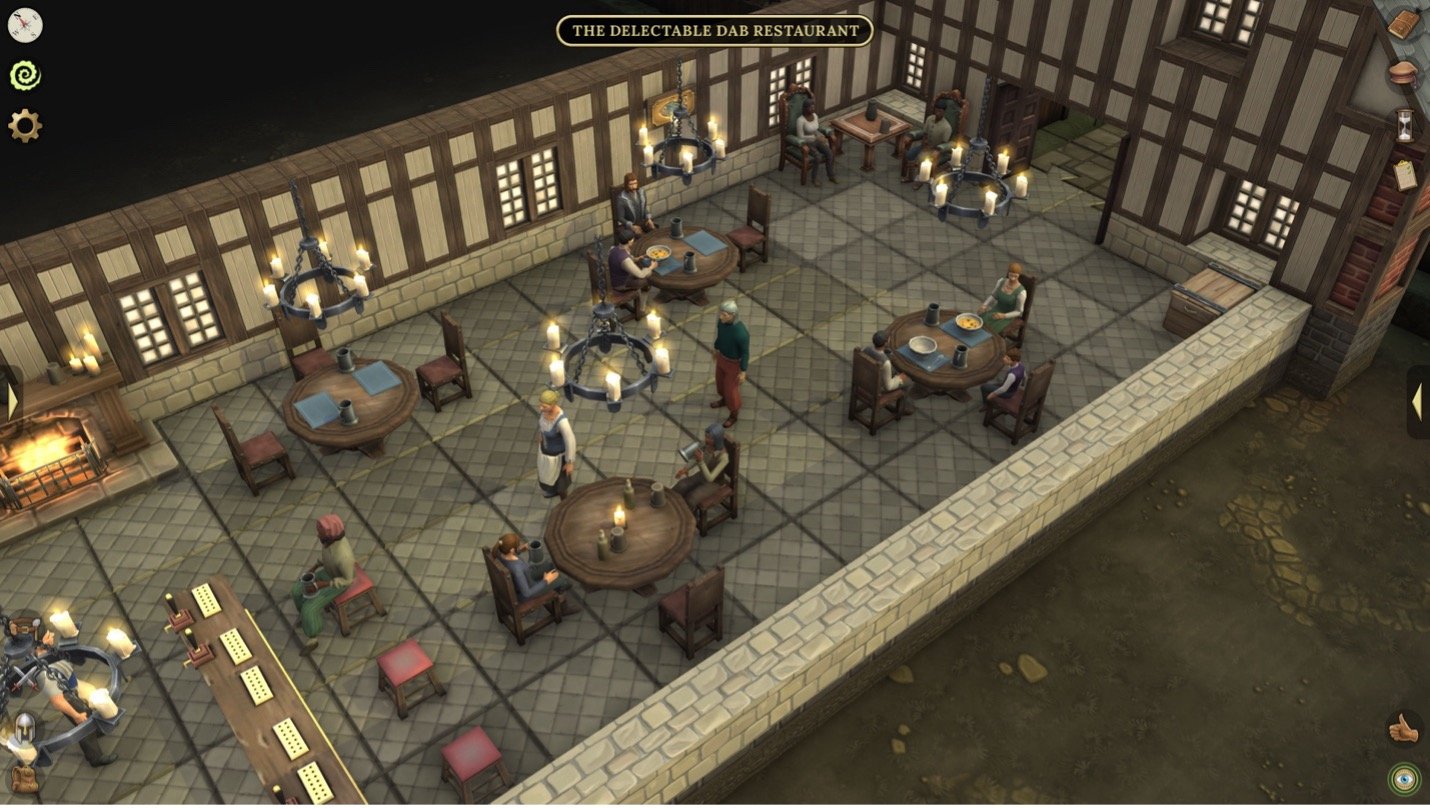
Gameplay image from Brighter Shores
“Life is hard, and people just want to feel good sometimes without loads of effort,” he says. “There’s no failure state, no frustration, just simple things to trigger our monkey brains with ‘number goes up’ gameplay.”
That phrase, number goes up, may sound simplistic, but it reflects a well-known psychological principle. Small and consistent wins help people feel more in control and less tense. Daily life brings pressure - tight schedules - difficult interactions, endless updates, but those small progress markers matter. Watching your virtual coins increase may seem trivial, yet that quiet boost can have a real effect.
For idle games, Ellam highlights a familiar habit: “People just like to have extra stimulation on a second monitor while doing something important,” he explains. “These games make it feel like time wasn’t wasted, as opposed to doomscrolling.”
A clear contrast emerges. While social media delivers stimulation mixed with unease, idle games provide a sense of direction, even if that direction leads only to a digital inventory slowly filling with imaginary items.
What do you look to gain out of gaming in your free time?
The Second Monitor Generation
Ellam notes that idle game design intentionally supports split attention. “Idle games are definitely designed with the principle of being on a second monitor for most of the experience,” he says. “Things should be structured so you can step away (whether for minutes or days) and return with little friction.”
That last idea is crucial. Minimal resistance shapes everything about these games. They avoid punishing absence; instead, returning feels natural. Progress remains visible, goals stay clear, and effort never seems wasted. As Ellam points out, knowing what comes next keeps players engaged without pressure.
A machine shaped like a hug: present without question, steady in its warmth, asking nothing beyond what you choose to give.
A Space to Simply Be
For years, Noa Bradshaw-Swann worked at Story Games, an independent studio creating small but thoughtful titles. One project, an idle deck-builder combining deliberate card play with gradual progression, offered insight into players drawn to calm, unhurried experiences. That audience has grown, subtly reshaping what cozy games can be.
“There’s a specific kind of player we started noticing more and more,” he says. “Someone who’s had a long day, maybe a stressful one, and just wants somewhere to be for a while. Not to win. Not to compete. Just to exist inside something that feels manageable.”
For Bradshaw-Swann, the appeal goes beyond stress relief. “These games offer a version of control that real life often doesn’t,” he explains. “You put in the work, you get the reward. That loop is clean and reliable. It sounds simple, but when everything else feels unpredictable, that reliability becomes profound.”
He also acknowledges a potential downside. “There’s a risk. You can design something genuinely soothing, or something that only looks soothing but is engineered to keep people hooked. The best cozy and idle games understand that difference. The worst ones don’t care.”
Avoidance or Something Deeper?
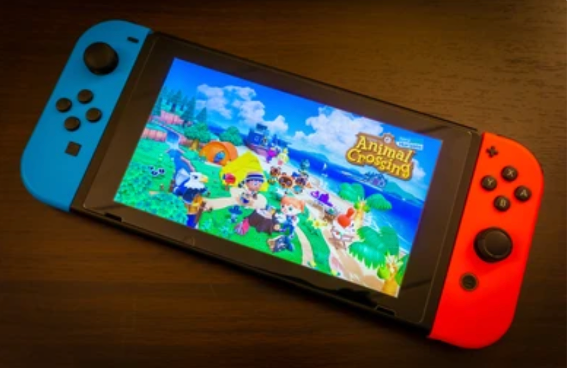
Nintendo Switch featuring Animal Crossing
Cozy gaming didn’t emerge overnight. Its growth spiked during the pandemic. Animal Crossing: New Horizons launched just as much of the world shut down in 2020, becoming more than a game. It offered what reality lacked: calm structure, gentle rhythms, and space without pressure.
That desire hasn’t faded. If anything, it has intensified. A 2025 study across five countries found that over half of cozy game players engage primarily to step away from daily stress, a sign not just of shifting entertainment trends, but of a widespread need for relief.
Ellam is sceptical that accessibility alone explains the genre’s appeal. “Mobile games have always been available,” he says. “What’s changed is that people want the ease of access, but with something more meaningful at the end,something more engaging.”
Something deeper draws players in. Not just ease, but meaning, or something close to it. Progress accumulates, piece by piece. Time slips by, yet within those small moments, effort leaves a mark. Between obligations, players shape quiet growth. However slight, it takes root.