Are Britain’s banners still symbols that unite?
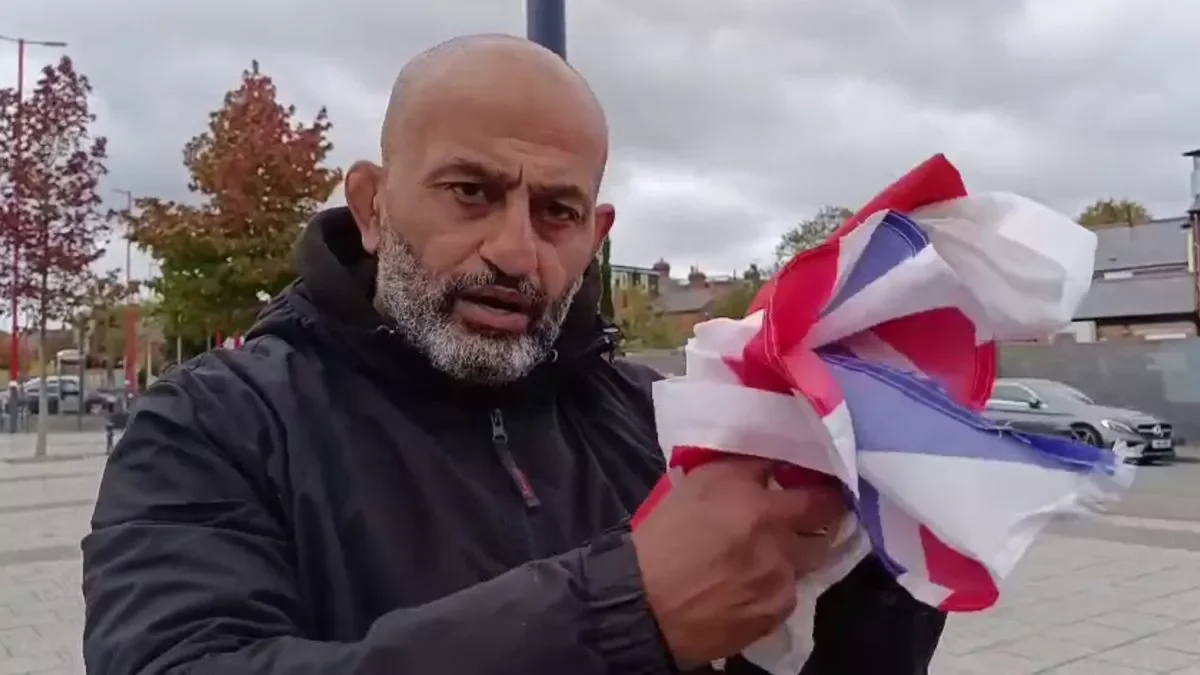
Credits - Birmingham Live
With tensions rising high these days, could it be that the banner no longer stands for unity, or has its meaning shifted?
The meaning of the Union Jack is increasingly contested, with some feeling it no longer represents unity but growing division and fear.
Former soldier Salman Mirza argues that the flag’s symbolism has shifted and urges open conversations to reclaim its meaning and address rising racism and misunderstanding.
The broader debate over the flag reflects deeper questions about Britain’s identity, belonging, and whether one symbol can still represent a diverse nation.
Across Britain, you’ll spot the Union Jack waving from homes, classrooms, or recently lamp posts. Yet lately, something most people took for granted as a sign of national spirit is being questioned more than before.
Few understand it better than Salman Mirza, a former soldier from Birmingham, who has become an outspoken voice on the matter. To him, the meaning behind the flag has become skewed. “These flags have a completely different meaning to what they meant (before)” he says, thinking back on past times such as the World Cup alongside other national events.
Should the flying of the flags be controversial at all?
Mirza’s journey from soldier to outspoken campaigner has given him a unique perspective. He describes a growing rift over what the flag stands for—and who it truly represents. “There is a bit of a debate between people like them and people like me,” he explains. “You can put them up, that’s your right. I’m not gonna stop you. But then I’m gonna pull them down and let’s have a debate. Let’s have a discussion about what the flag really represents.”
This push for conversation comes from Mirza’s worry about how things have changed.He notices more fear and separation in certain groups: “A lot of people feel frightened, they feel unwelcome and they feel racism is on the rise.”
For Mirza, getting rid of the flag isn't the answer - instead, it's about taking back what it means by talking openly. He supports settings where people share differing views, especially when conversations are challenging, believing real dialogue helps Britain grow a broader sense of belonging.
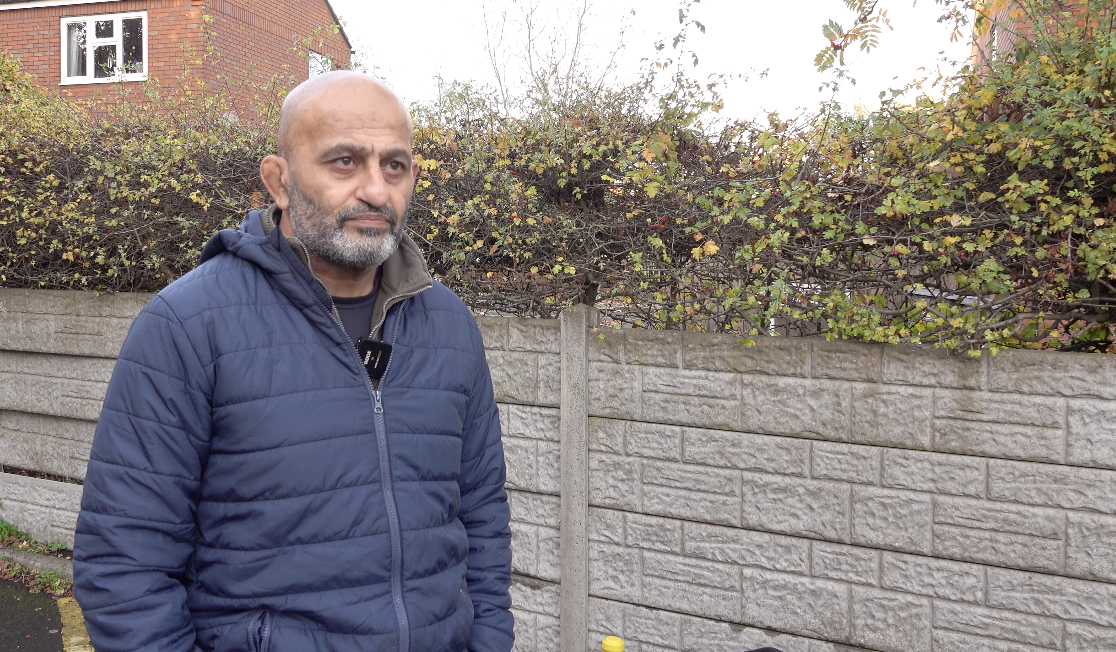
Mirza speaking on taking down the flags
In Birmingham, folks think all kinds of ways about the flag. Some still view it as a sign of shared beliefs and the past pride of Britain.Yet others, such as Mirza, push for deeper questions. Its message isn’t set in stone anymore; instead, it’s sparking conversation.
While Britain wrestles with its identity during uncertain times, Mirza faces a straightforward task - recognize how symbols are shifting, welcome the conversation, yet work toward a sense of togetherness.“At the moment , flags don’t represent unity and pride” – Salman hopes to become a bastion of unity in the community and hopes to help drive away racial divide in what is becoming an era of hatred.
He admits however, that this could also be an education issue with pro-flag demonstrators. “I would say have a conversation with people you are critical of, or you feel are a problem” he goes on to say how he thinks most of the flag demonstraitors have, “probably never had a conversation with an asylum seeker or someone like me”.
The struggle over Britain’s flags reveals much more than just colours on the cloth.It exposes the seperation, anxieties and division within a proud nation. Whether the flags stay or goes, is almost secondary to the larger question now facing Britain: can a single symbol still represent a country whose identity is no longer singular?
Written by Samuel Clawley