Have the public lost trust in the police?
Source: Kent Police
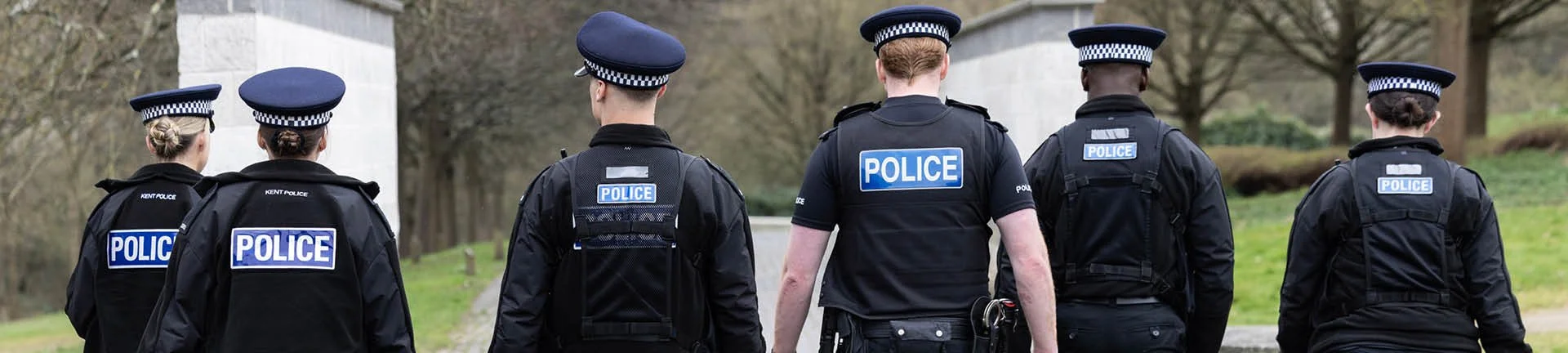
The connection between UK police and citizens has changed dramatically. Officers who used to be viewed as guardians are often met with distrust from the start. To explore how things shifted, I talked with two constables at opposite ends of this evolution: Keith, a former Superintendent who began in 1991 and worked more than thirty years, and Jack, a young PC aged 21, who reflects today’s frontline force.
Their views show a field struggling to define itself, torn between real attempts at change while facing declining trust from the public, a shift undermining the core idea of policing through community approval.
A Crisis Decades in the Making
Keith has witnessed the erosion firsthand. "Yes, I have noticed a significant change in the way the public views the force during my service," he says. "There has been a noticeable deterioration in the public's confidence in the police locally and nationally."
When Keith began his career, evidence from an officer was considered reliable. Now, he notes, "it requires independent corroboration and is even at times treated with suspicion." The shift has been profound. "When I first joined police were still seen as protectors and as someone women and children in particular could seek out for support," he reflects. Following high-profile cases like the Sarah Everard murder by serving officer Wayne Couzens, "the public, through national media, were advised not to even speak to an officer without first corroborating their identity."
For Jack, serving in Greater Manchester Police, the stigma is palpable but geographically varied. "There is definitely a stigma against police. This depends on the area, but areas with high rates of poverty, drug use, and crime tend to have a culture where children are raised to hate the police." Yet his personal experience tells a different story: "I have barely met anyone in my personal life who had an overwhelmingly negative opinion of myself because I'm a police officer. Most people are aware there are issues with UK policing, but are understanding that 99.9% of officers are genuinely good people who do the right thing."
How do you feel about law enforcement at this time?
The Met Problem
Both officers identify the Metropolitan Police as an outlier. Jack cannot speak on behalf of the Met, noting "that force seems to be an outlier in terms of public opinion, but forces such as GMP are actively working to improve standards and public perception." Keith's experience managing Kent's Professional Standards Department gives weight to this distinction. The Baroness Casey report, he notes, "was scathing about the culture of the Metropolitan Police, finding it was institutionally racist, sexist and homophobic."
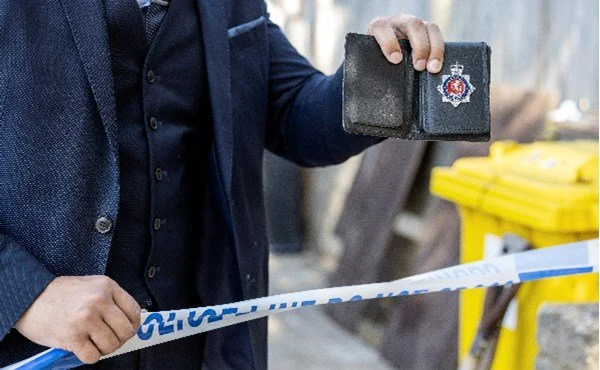
Keith links the decline to key events: after Hillsborough, top officials were caught altering documents. The response to Stephen Lawrence’s killing was deeply flawed. Officers such as Wayne Couzens and David Carrick abused their roles by sexually assaulting several women. Because of these incidents, Keith states, trust in law enforcement hasn’t been this low during his entire career
Source: Kent Police
Reform Efforts: Too Little, Too Late?
Both officers point to genuine reform efforts, though they differ in scale. Jack notes improvements in his force: "They have improved uniform standards positively and have started using social media/news outlets to share more information about what we are doing well."
Keith describes more comprehensive changes in Kent Police. The force "has doubled the size and scope of its Professional Standards Department" and maintains "one of the most robust" vetting processes nationally. "Every gross misconduct hearing is held in public with press being invited to attend," he explains, with outcomes "circulated to staff to ensure lessons are learned."
Yet Keith acknowledges the challenge: "High profile cases of serious breaches of policy, poor investigations, criminality, discrimination, misogyny, and corruption issues (such as abuse of position for sexual purpose) have significantly eroded the public's trust." The constant scrutiny, while necessary, "has given the public a jaundiced view of the police and has damaged the public's perception of integrity of the vast majority of officers who attempt to do the best possible job they can in difficult circumstances."
The Visibility Paradox
Both officers identify a critical imbalance in how policing is portrayed. Jack argues passionately for change: "I think more body cam footage should be released to the public. The overwhelming majority of media coverage of UK policing is negative, and this can cause people to believe that the police have a negative effect on society. This is not the case, as the vast majority of police interactions with the public are overwhelmingly positive."
Keith notes that positive behavior rarely gets attention, whereas upsetting individual events spread fast online - often without a chance to reply
The Human Cost
Perhaps most striking is Jack's frustration with how officers are perceived. "The majority of members of the public who cause issues for police often have tunnel vision and focus purely on anything that the police may not be doing right," he says. "They don't really see police officers as people; they just see the uniform. In reality, police officers go through countless traumas weekly that critics won't ever see in their lives."
Keith points out that police sometimes hesitate to carry out preventive stops, worried about complaints, even though body cameras increase transparency. The role has undergone significant shifts in core ways. Policing used to come with secure pensions and help with housing; now, he says, it’s seen more as temporary work than a lifelong path. In many units, most officers have under five years on the force
The Path Forward
Keith identifies four key elements for recovery: a stronger culture via training and hiring changes, public involvement boosting accountability, local policing that increases community ties, and collaboration with outside agencies getting more effective.
Jack's solution is simpler but no less powerful: "If the media are willing to share when an officer is doing something wrong, they should be willing to share the countless lives that are saved."
The issue stays open: can changes bring back what Keith sees as key in Britain’s legal system? He says, “UK officers operate through approval from people - that idea shapes the entire framework.” If trust fades, so does that agreement - along with how well law enforcement works.
Written By: Samuel Clawley